

leaf-footed bug
- noun
- /liːfˈfʊtɪd bʌg/
- The leaf-footed bug is easily identified by the broad, leaflike structures on its hind legs.
Examples
-
Gardeners often spot the leaf-footed bug feeding on tomatoes and other vegetables.
-
A leaf-footed bug can sometimes be mistaken for a beetle due to its size and shape.
-
The leaf-footed bug is often found in gardens.
-
I spotted a leaf-footed bug on the tomato plant.
-
Gardeners often spot the leaf-footed bug feeding on tomatoes and other vegetables.
-
The leaf-footed bug is easily identified by the broad, leaflike structures on its hind legs.
-
A leaf-footed bug can sometimes be mistaken for a beetle due to its size and shape.
Synonyms

A large insect that sucks plant sap and has leaflike hind legs

An insect with leaf-like parts on its back legs that often lives on plants
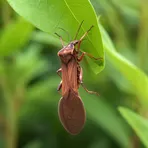
A bug with a long body and often widened hind legs that feeds on plants
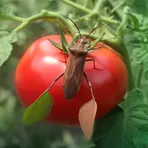
A type of insect with flat, leaf-like back legs that feeds on plants
Surface Forms
Morphology
leaf-footed + bug
The noun is compositionally built from visible parts: 'leaf' + 'foot(ed)' + 'bug' clearly denotes a bug with leaf-like feet/leg expansions. This descriptive, concrete relation is directly inferable from the constituents and matches common cross-linguistic compound patterns, so a B1 learner who knows the words would likely understand the meaning.
Etymology
Leaf-footed bug gets its name from the insect's back legs, which have flat, leaf-like parts near the foot that make the legs look like small leaves. That clear picture explains the name and why it now means a large insect that 'sucks sap' from plants gardeners find on tomatoes and other vegetables.

