
layering


 1
5.4
1
5.4
- noun
- /ˈlɛərɪŋ/
- Specialized
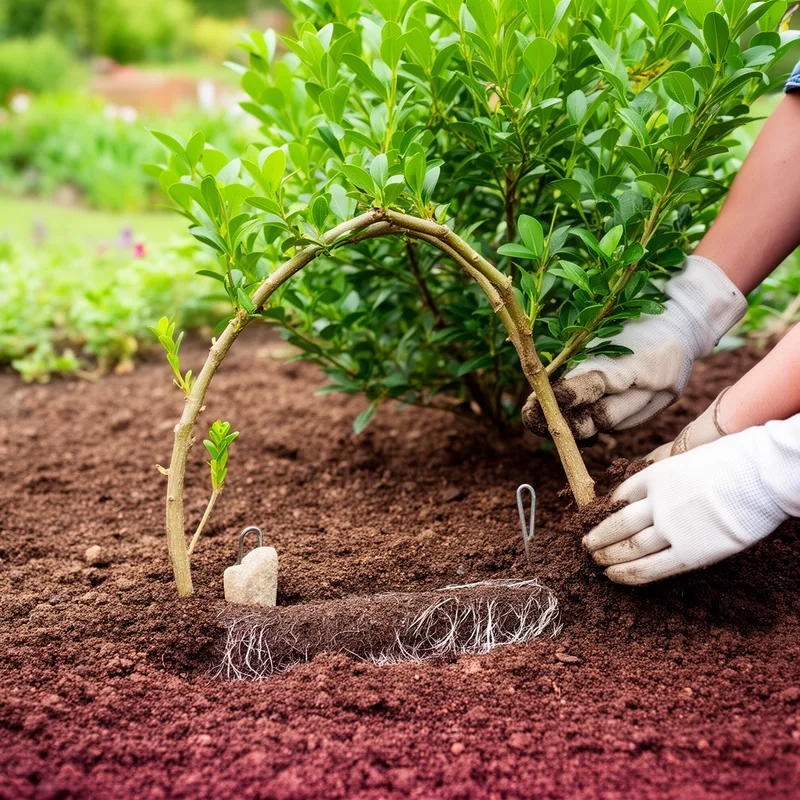
- In horticulture, layering is a popular method for propagating new plants by bending a stem down to the soil to encourage root growth.
Examples
-
The robot is armed with an extrusion nozzle for the layering process, Khoshnevis said, as well as a trowel that automatically smoothes over the outer surface of each layer.
Academic text (2010) -
I also used a layering method when putting the ingredients in; it made it easier to mix.
Blog text (5) -
I've been assuming that this was simply part of the layering process.
Blog text (7) -
It produces in the mind a layering of individual things.
Academic text (2004) -
We are now analyzing in more detail our data on changes in vegetation height and layering between 1983 and 1990 to test this possibility further.
Academic text (1992) -
Using the layering technique, gardeners can cultivate multiple new plants from the same parent plant by simply bending the stems.
-
The method of layering allows a gardener to create a new plant from an existing one by enabling the stem to grow roots while still attached.
Surface Forms
Morphology
Etymology
Layering comes from the simple verb lay meaning 'to put down'. Gardeners often 'lay' a branch into the soil so it makes roots, so layering is the method of making a new plant by bending and burying a stem.