
to lase
 1
9.4
1
9.4

- verb
- /leɪz/
- Specialized
- Of course, we only have the one sample... and it's going to destroy itself as it lases.
Examples
-
During the demonstration, the engineer showed how to lase the metal for accurate cuts.
-
Ready to lase and blaze.
-
I say again, we will be lasing.
-
My men lased those targets.
Fiction book (1996) -
It was my men on the ground that made those hits possible by lasing the targets.
-
We will be lasing.
-
For offence, troops might use a large array of lase gun class weaponry, including powerful lase rifles and lase cannons.
-
But because the different applications generally demand light in specific regions of the electromagnetic spectrum, engineers have for decades faced the ongoing task of developing new materials that lase at new wavelengths.
Academic text (2012) -
The technician will lase the glass to create precise designs.
-
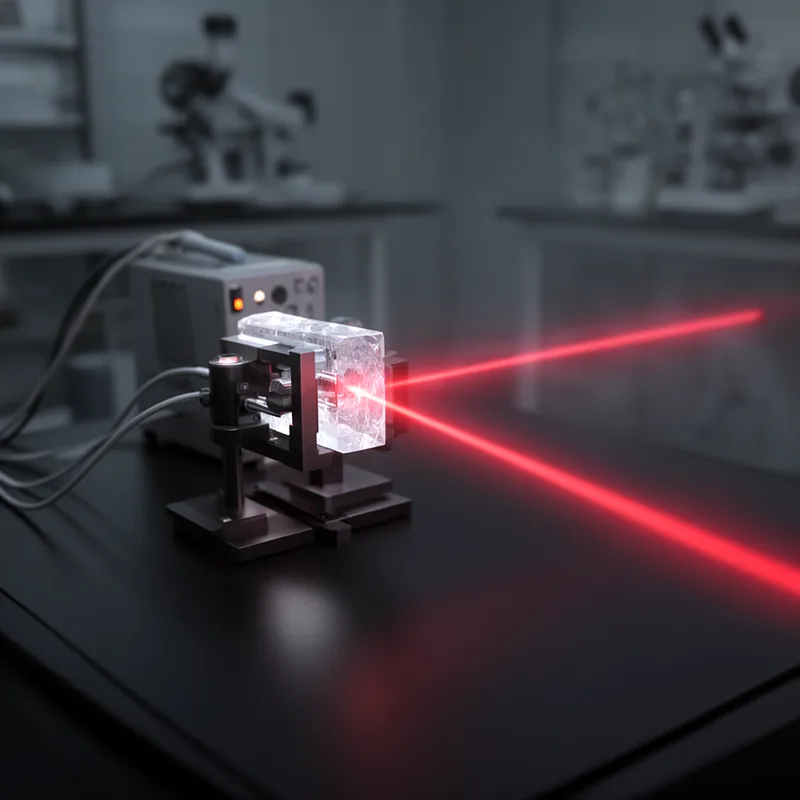
As the laser began to lase the surface, a bright beam of light illuminated the area.
How Bright

Surface Forms
Etymology
Lase comes from laser, the device that makes a very strong, focused beam of light. Laser was formed from words meaning 'light' and 'sending out', so to lase is to 'produce a steady, focused beam of light'.