
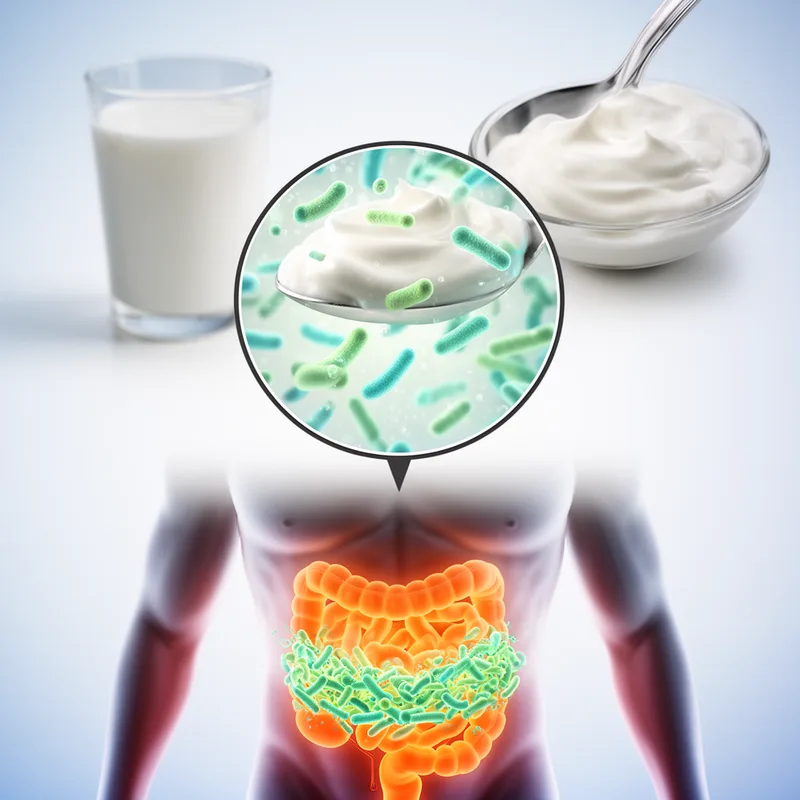
lactobacillus


 1
6.7
- noun
- /ˌlæktoʊbəˈsɪləs/
- Specialized
Examples
-
And any beer not consumed young would quickly sour from exposure to lactobacillus.
Blog text (24) -
And that was because the wooden barrel was lined with Lactobacillus from years and years and years of having cheese be fermented in it.
-
Considering the overall growth impact from day 0 up until day 120, the CFU/g values demonstrated an increased lactobacillus growth trend in both groups.
Academic text (2015) -
There was a variation in the count of coliform and lactobacillus in feces at day 0 in both supplemented and control groups.
Academic text (2015) -
Many types of fermented foods, like yogurt, are rich in lactobacillus which helps improve digestion.
-
The presence of lactobacillus in the cheese helped enhance its flavor and texture.
-
Researchers study lactobacillus to understand its role in promoting digestive health.
Compounds
- Specialized
1
4.1
A helpful kind of bacteria that lives in the gut and is in yogurt and probiotic supplements
Surface Forms
Morphology
Etymology
Lactobacillus comes from the Latin parts lacto- meaning 'milk' and bacillus meaning 'little rod'. So a lactobacillus is a tiny, rod-shaped bacterium that loves milk and helps make yogurt and cheese by producing lactic acid.