
laccase


 1
9.9
- noun
- /ˈlæk.eɪs/
- Specialized
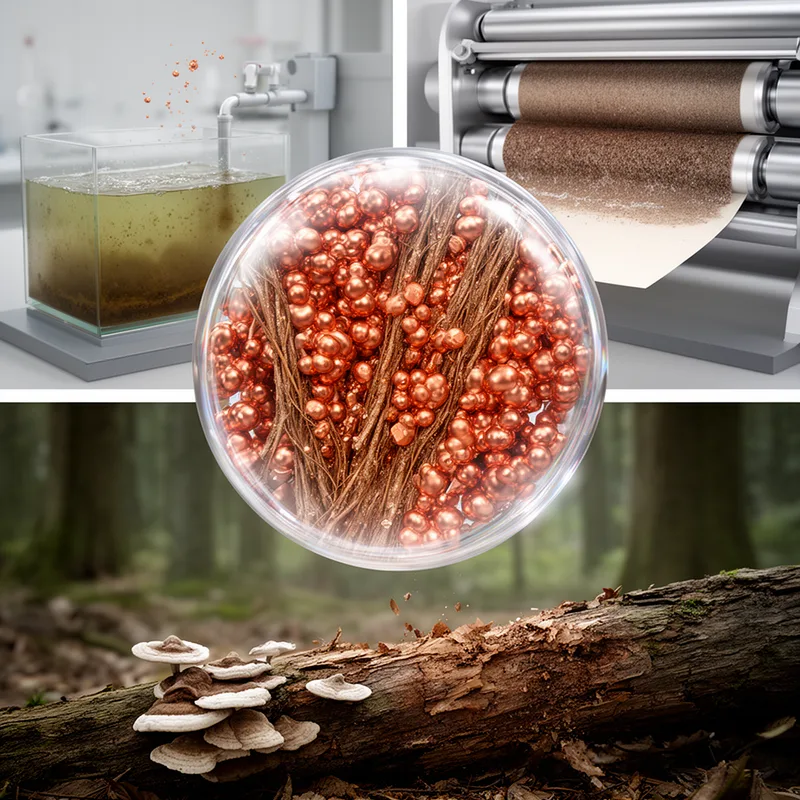
- Scientists are exploring how laccase can enhance the efficiency of dye removal in textile processing.
Examples
-
For example, laccase genes are thought to play an important role in the decomposition of high-lignin plant material.
Academic text (2008) -
The enzyme laccase is widely used in industry to treat wastewater by breaking down organic pollutants.
-
Among these genes, a receptor-like kinase 38 and a laccase 83 are being tested for their ability to provide resistance following transformation and mutation (unpublished).
Blog text (27) -
As predicted, a recent study using quantitative PCR demonstrated that laccase gene abundance increased as litter quality decreased and that these changes were linked to the presence of particular groups of wood decay fungi (Blackwood et al. 2007).
Academic text (2008) -
In natural ecosystems, laccase plays a critical role in decomposing lignin, aiding in nutrient cycling.
Surface Forms
Morphology
Etymology
The word laccase comes from lacc-, a root meaning 'lac' or 'resin', the natural material used to make lacquer, plus the ending -ase meaning 'enzyme'. So laccase is an enzyme that breaks down organic materials, which is why enzymes called laccases from fungi and plants are used to treat wastewater and remove dyes.