

kobold
 3
9.9
3
9.9

- noun
- /ˈkoʊboʊld/
- Literature
- The miners whispered tales of a kobold who guarded the treasure hidden deep within the cave.
Examples
-
The kobold danced around the fire, mischievously tossing sparks into the air.
-
"Dark, nomadic essences flowed under Janek's kobold skin.
Fiction book (2000) -
The last conscious goblin had told him they had taken them from a kobold mine to the east.
Blog text (30) -
In the woods north and west of our kobold cave live many creatures that habitually avoid human contact.
Blog text (15) -
I had a DM penalize me because my bladesinger attacked and killed an unarmed kobold.
Blog text (11) -
Never mind the fact that this particular kobold was part of a group that had just attacked my village and killed innocents, and that I had chased him after the attack, and that the only reason he was unarmed is that he had lost his dagger when he tripped and it went flying out of his hands.
Blog text (11) -
He looked like a forest kobold, shaped to the proportions of the dense thickets, wind-felled trees, and tangled, chaotic scrub.
Fiction book (2000) -
In the old legend, the kobold lived in the walls of the house, playing tricks on the family.
Synonyms
 105
8.3
105
8.3
A small, ugly creature that causes trouble for people
 23
8.3
23
8.3
An imaginary creature that secretly causes problems with machines and planes
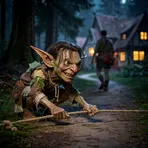 2
9.9
2
9.9
A small, ugly creature in stories that plays mean tricks on people
 1
9.9
1
9.9
A ghost or goblin from Scottish and northern English stories
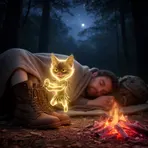

 1
9.9
1
9.9
A small mischievous spirit that plays tricks on people at night
 1
9.9
1
9.9
A mischievous spirit from Irish stories that often appears as an animal

A small spirit in old stories that sometimes helps or bothers people
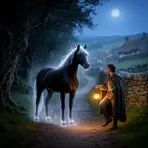
A mischievous spirit from Celtic stories that appears as an animal and plays tricks
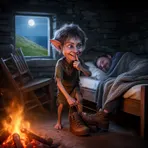
A magical creature from Orkney and Shetland stories that plays tricks on people
Surface Forms
Etymology
Kobold comes from old German folk tales about a small, often naughty house or mine spirit, much like an English 'goblin'. These spirits were said to play tricks or hide things, which is why a kobold today means a mischievous sprite in stories.