
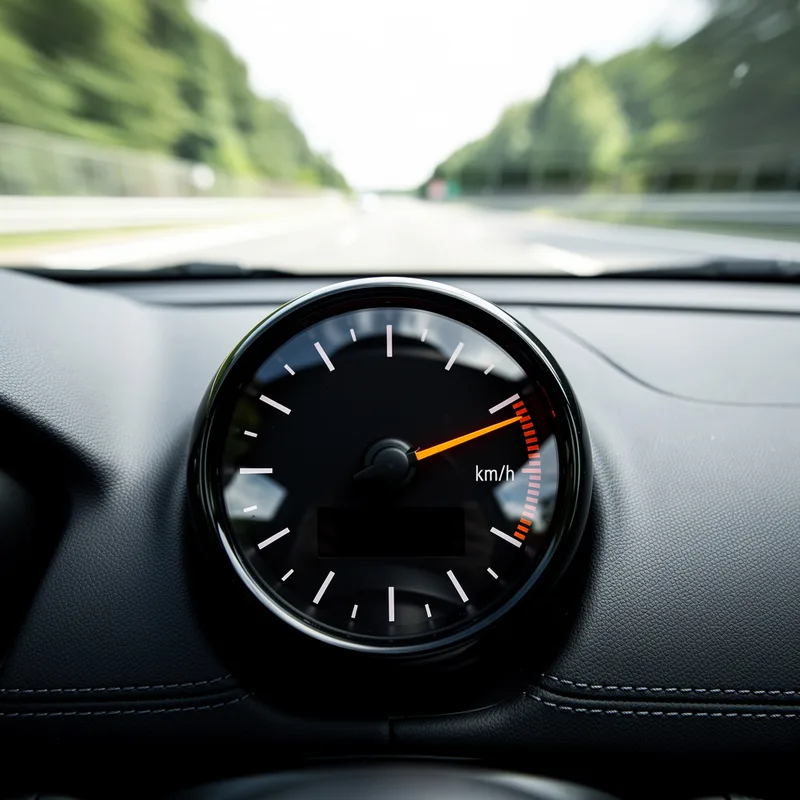
km/h
 9
1.7
9
1.7

- noun
- The car was speeding at 120 km/h when the police pulled it over.
- speed of km/h
- 10 km/h
- 3 km/h
Examples
-
With the DGO, the speed could easily be increased to 2 km/h from the beginning.
Academic text (2000) -
I think we can all agree that doing 110 km/h on a straight, empty road doesn't hurt anyone.
Blog text (22) -
No one expected it, but winds of 90 km/h are expected.
-
During manual training, the treadmill speed was around 1.5 km/h.
Academic text (2000) -
With that said, they usually impose a 130 km/h limit on repaired roads.
Blog text (12) -
The new regulations require that a car hitting a pedestrian at 25 km/h shouldn't cause significant injury.
Blog text (15) -
Vessel speed while the trawl was being set was between 5.5 and 6.5 km/h.
Academic text (1998) -
In Europe, they are limited to 25 km/h (about 15 mph); the electric motor must disengage after that.
Blog text (11) -
There's a dual carriageway, and doing 80 km/h on the outside lane is 'normal'.
Blog text (22) -
We switched cars and we drive in Nalton towards the precipice at about 65 km/h.
Synonyms
 8
2.4
8
2.4
The number of kilometers you travel in one hour
 7
2.7
7
2.7
The number of kilometres travelled in one hour
Surface Forms
Etymology
Km/h stands for kilometres per hour, a short way to say how many kilometres you go in one hour. The kilo- part means 'thousand' (as in kilogram) and per means 'for each', so km/h literally tells you the number of kilometres traveled 'for each' hour — in other words, your speed.