

to keeling
7.0
To tip or fall over, often used for a boat moving to one side
- verb
- /ˈkiːlɪŋ/
:
inclinándose
- The yacht started keeling dangerously when the wind picked up.
Examples
-
As the storm hit, the boat began keeling to one side, threatening to capsize.
-
He feared the fishing boat was keeling after hitting a strong wave.
-
There is a danger of Keeling over backwards, so it's possible also that I might put some more springs in there.
Synonyms

to tip over
vsto keeling
 27
3.0
27
3.0

Make something fall from a standing position
is usually an uncontrolled leaning or balance loss, not a caused overturn
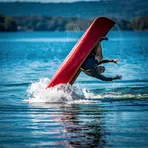
to keel
vsto keeling
24
5.7
To fall over suddenly, often said about boats or people
is the same meaning but in a different verb form

to capsize
vsto keeling
21
6.0
To turn over in the water by accident
is more about tipping or falling to one side rather than full overturn
 16
5.7
16
5.7
Fall down suddenly because you faint or feel very weak
is about a vessel turning or tipping from loss of balance rather than illness
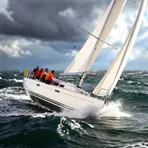 4
7.3
4
7.3
To lean to one side, especially a boat in strong wind
is a further turning or falling, not just a mild tilt
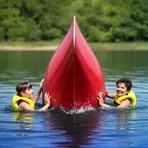
to turtle
vsto keeling

 1
9.8
1
9.8
To turn a boat completely upside down
is focused on partial tipping to one side, not full inversion

to overbalance
vsto keeling
1
5.6
To lose balance and almost fall
is about a vessel turning or falling rather than a near personal fall
Antonyms

How Tilted

Surface Forms
Morphology
Etymology
Keeling, as a verb, comes from keel, the bottom of a boat. To 'keel' is to tip until the keel shows, so when a boat is keeling it is tipping or 'falling over'.