
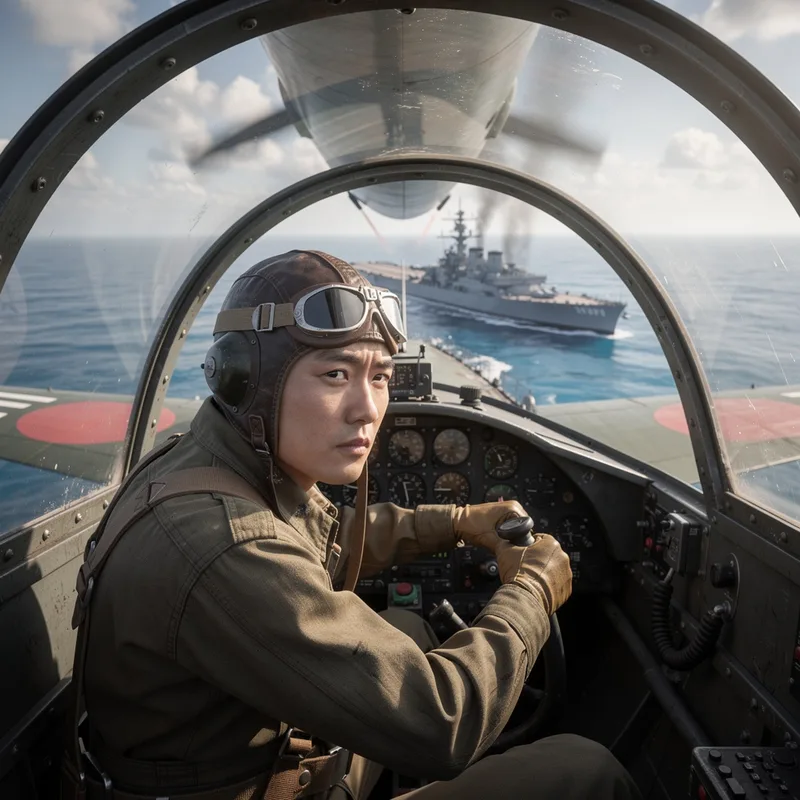
kamikaze
 1
9.3
1
9.3

- noun
- /ˌkɑːmɪˈkɑːzeɪ/
- Archaic
- During World War II, the Japanese military trained kamikaze pilots to carry out suicide attacks against enemy ships.
- kamikaze pilots
- kamikaze mission
- kamikaze attacks
Examples
-
We were still fighting off kamikazes in Buckner Bay after the war was over.
Blog text (11) -
I recall the sad tale of Dad watching as his Canadian friend, Lt. Jeff Noyes, was killed on the conning tower of a Canadian naval vessel by a kamikaze.
Blog text (11) -
When the Japanese military wanted kamikaze pilots at the end of World War II, thousands of volunteers rushed to offer themselves.
Academic text (1996) -
The man who flew his kamikaze plane into the bow of our ship knew he wasn't going home.
-
We were attacked by shore batteries and kamikazes but were never hit.
Blog text (11) -
That's what made the kamikazes so effective for the Japanese in WWII.
Blog text (30) -
The United States defeated Japan in World War II despite the ideological fervor of Japanese troops and their kamikaze pilots.
Academic text (2007) -
The kamikaze pilots would fly their aircraft directly into enemy targets, demonstrating their commitment to their cause.
-
Thousands of young volunteers became kamikaze pilots, ready to sacrifice their lives for Japan during the war.
Synonyms
 42
5.5
42
5.5
A person who kills others and themselves by making a bomb explode
Compounds

Surface Forms
Etymology
Kamikaze comes from the Japanese parts kami and kaze, meaning 'divine wind', a storm once thought to protect Japan by destroying invaders. During World War II the name was given to pilots who were willing to crash their planes into enemy targets, so a kamikaze is a pilot who gives his life in a suicide attack.