
to joggle

to joggle

9.5
To join two pieces by making matching cuts so they fit tightly
  • verb
  • /ˈdʒɑːɡəl/
  • Specialized
translation icon : machihembrar
  • Steel plates are often joggled to fit together tightly in construction.

Examples

  • The carpenter decided to joggle the wooden beams for extra stability.

  • To repair the old bridge, workers had to joggle the stone blocks into place.

  • They joggle the pieces together.

  • Can you joggle these two boards?

  • The engineer had to joggle the metal parts to ensure they interlocked securely.

  • To assemble the puzzle correctly, she needed to joggle the tiles into their specific positions.

  • In carpentry, it is essential to joggle the joints so that they fit seamlessly.

Synonyms
to interlock
vsto joggle
15 4.1

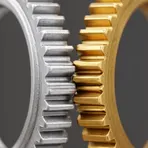
To join parts so they fit tightly and move together
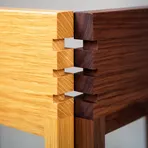
prevents movement by shaping interlocking projections rather than general tight connection
to dovetail
vsto joggle
11 6.7

To fit things together so they work well and match
joins by shaping interlocking notches rather than just matching shapes or function
to cinch
vsto joggle
8 5.5

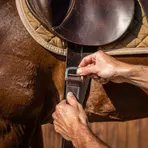
To fasten a strap tightly so it does not slip

secures by shaping interlocking notches to lock parts together rather than tightening straps
to rivet
vsto joggle
  • Specialized
6 5.3

To join pieces with a metal pin pushed through holes and hammered flat
joins by cutting interlocking notches into pieces rather than inserting separate metal fasteners
to tack
vsto joggle
  • Specialized
4 6.7

Sew pieces together with large loose stitches to hold them

creates permanent interlocking projections rather than temporary holding stitches
to seam
vsto joggle
3 3.6

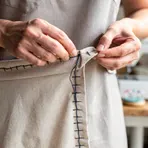
To join pieces of cloth by sewing their edges together

forms interlocking notches rather than joining by sewing or stitching
to lash together
vsto joggle
1 4.4

To tie things together with rope to hold them in place

fastens by cutting matching notches so parts lock together rather than tying externally
to joint
vsto joggle
1 5.3

To fasten two parts together so they form one piece
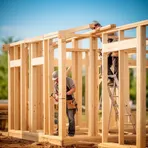
uses matching projections or notches as the joining method rather than a simple junction
to frame up
vsto joggle
1 4.9

To build the basic wooden structure of a building like a house

uses interlocking projections to fasten parts not just general construction fitting
to toggle
vsto joggle
  • Specialized
1 6.9

To fasten something with a small rod pushed through a loop

secures by shaping interlocking projections into the parts rather than adding a separate pin
to cog
vsto joggle
  • Specialized
9.9

To join pieces of wood by fitting one piece's raised parts into another's slots
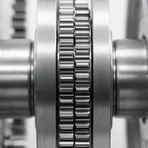
joins by forming interlocking notches on the pieces rather than fitting projections into sockets
9.1

Fit together with no gaps like the fingers of two hands

forms interlocking notches so parts lock together securely rather than just meshing
to interdigitate
vsto joggle
9.9

To fit together closely like the fingers of two hands

use interlocking notches to lock parts together rather than merely touching
to intermesh
vsto joggle
7.0

To fit together like gears so parts touch and work together

forms interlocking projections or notches rather than merely overlapping or engaging
to tack together
vsto joggle
4.7

To join parts quickly in a careless, temporary way

fastens by forming interlocking projections for a secure fit not by makeshift joining

How Secure

to lock
1.0
to secure
347 3.3
to joggle
  • Specialized
9.5
to fasten
68 1.6
join
11 2.9
to place
1.0

Surface Forms

joggle infinitive
joggled past
joggled past participle
joggling present participle
joggles third person singular

Morphology

joggle = jog (semi-transparent) = jog + le

Formed from 'jog' + the frequentative suffix '-le', but the carpentry-specific sense 'to fasten by interlocking projections' is a specialised extension of the core shaking/movement meaning.

Etymology

To joggle something in carpentry is to make a small 'jog' or notch so two parts lock together. That's why to joggle beams or plates means to join them by making matching projections that fit tightly.