

to jib


 1
9.6
1
9.6
To stop suddenly and refuse to do something because you feel unwilling
- verb
- /dʒɪb/
:
negarse
- He always jibs when asked to go skydiving.
Examples
-
She jibbed at the idea of working late on a Friday night.
-
lf you jib now, we'll have people in the water.
-
The horse jibbed at the jump, refusing to go over it.
Synonyms

to resist
vsto jib
311
2.2
Act against authority, rules or change
is a sudden hesitation or refusal from reluctance or objection rather than active opposition
 40
7.4
40
7.4
To hesitate or refuse to do something
is sudden hesitation or refusal from reluctance or objection rather than firm refusal

to waver in
vsto jib
3
6.6
To feel unsure about making a decision or taking action
is sudden refusal or hesitation from reluctance or objection rather than simple uncertainty
Antonyms

Idioms

Compounds
How Reluctant

Surface Forms
Etymology
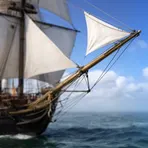
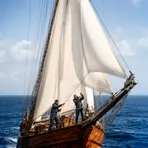
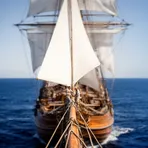
Jib (verb, to refuse or hesitate) likely comes from the image of something that suddenly 'stops' or pulls back, like a horse that will not move. A helpful way to remember it is to imagine someone 'stopping short', so to jib is to hesitate or refuse to go on.