
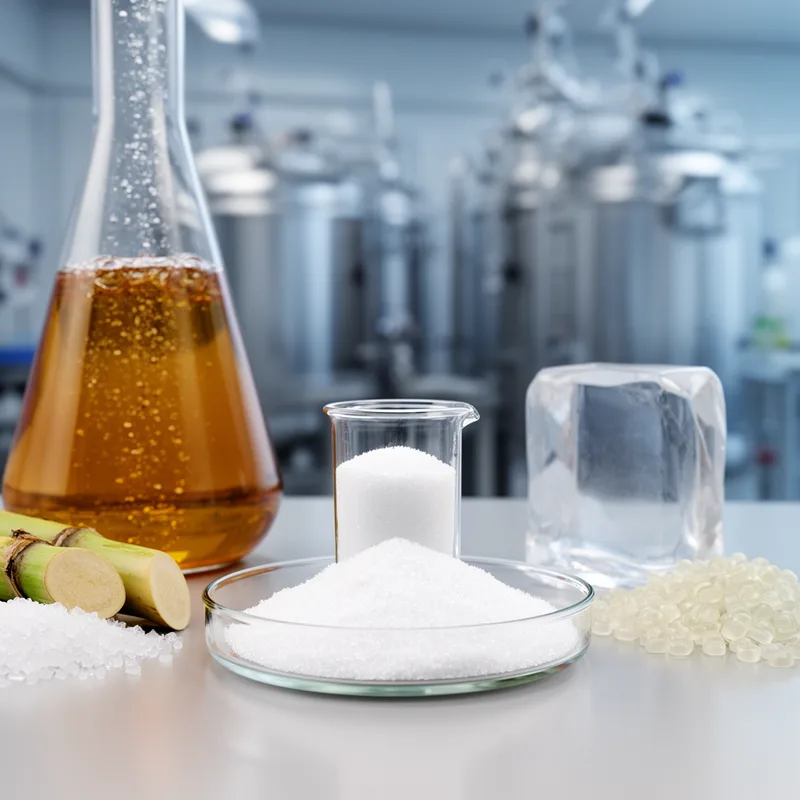
itaconic acid


 1
7.7
- noun
- /ˌɪtəˈkɒnɪk ˈæsɪd/
- Specialized
- The chemist synthesized itaconic acid in the lab.
Examples
-
The fermentation of certain sugars can produce itaconic acid, which is important in industrial chemistry.
-
Polymers made from itaconic acid are being explored for use in biodegradable plastics.
-
Researchers have developed new methods to synthesize itaconic acid from renewable sources.
-
Many researchers are studying itaconic acids for their potential uses.
-
Polymers made from itaconic acid are being explored for use in biodegradable plastics.
-
Researchers have developed new methods to synthesize itaconic acid from renewable sources.
-
The fermentation of certain sugars can produce itaconic acid, which is important in industrial chemistry.
Surface Forms
Morphology
The phrase is a straightforward chemical noun formed from a specific chemical name/adjective plus 'acid', so its basic meaning — a particular type of acid — is directly derivable from the constituents. This naming pattern is cross-linguistically common in scientific vocabulary, so a learner who knows both parts will recognize it as a kind of acid even if they do not know its detailed properties.
Etymology
The name itaconic acid may come from an older root itacon, a word chemists used when they first got the acid from fermented sugars. That origin helps you remember the word: the name links the acid to its natural source and to its use in making resins and plastics.