
isometrically
- adverb
- /ˌaɪsəˈmɛtrɪkli/
- Specialized
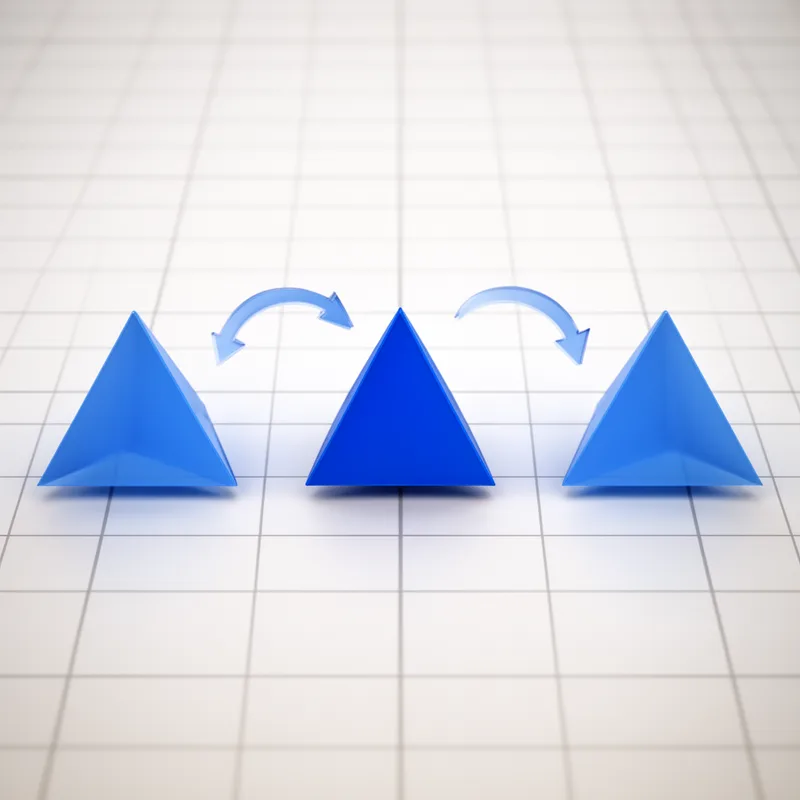
- In geometry, two figures are isometrically related if one can be transformed into the other without stretching.
Examples
-
The shape was transformed isometrically to maintain its dimensions.
-
The shapes were mapped isometrically so that all distances remained the same.
-
The software allows you to move objects isometrically across the grid.
-
To solve the problem, we must represent the figures isometrically.
-
In the new design, the shapes are transformed isometrically so that all distances remain equal.
-
The architect used isometrically correct drawings to ensure that every dimension was accurately represented.
-
The map scales isometrically, meaning that the distance between points on the map is the same as their actual distance.
How Accurate


Surface Forms
Morphology
Etymology
Isometrically comes from the Greek parts iso- 'equal' and metron 'measure', the same idea you see in meter. So in geometry it means moving or changing a shape while keeping all distances the same, which is why distances are not stretched or changed.