
isogenic
 1
8.6
1
8.6

- adjective
- /ˌaɪsəˈdʒɛnɪk/
- Specialized
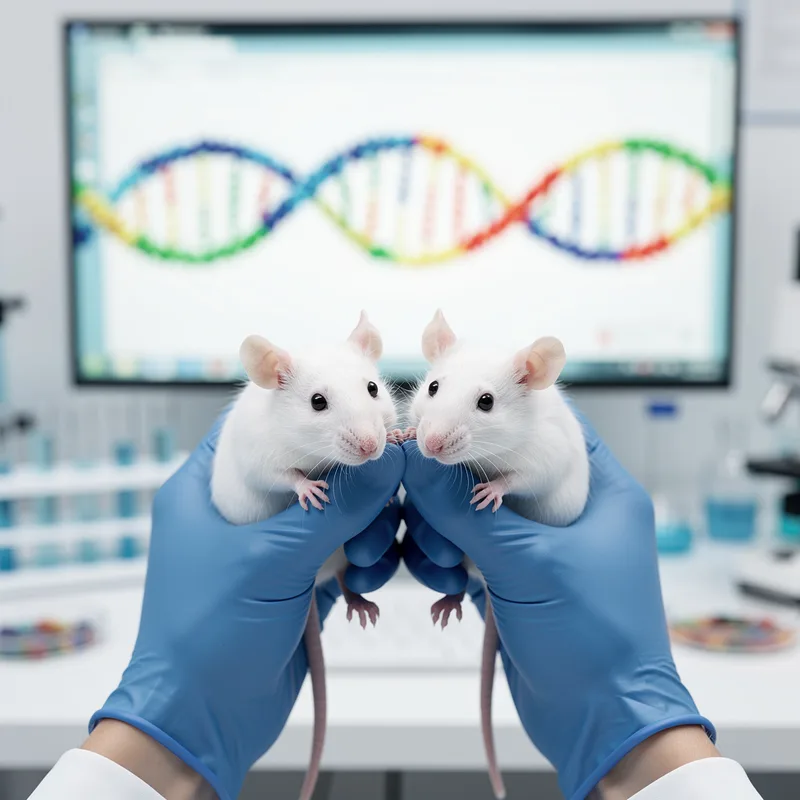
- The two plants are isogenic, meaning they share the same genetic makeup.
- isogenic lines
Examples
-
Researchers created isogenic strains to study the effects of a specific gene.
-
These two lines were near isogenic at the CsSGR locus, which should be useful in future functional studies of the resistance gene.
Academic text (2018) -
Furthermore, this article contains a discussion of the problems of comparing the effects of isogenic feeds with transgenic derivations.
Blog text (14) -
Monsanto was not involved in the GM soya feeding studies because those papers did not use an isogenic line.
Blog text (14) -
The challenge for studying female choice is that, once an individual female mates, her preference/choice cannot be measured again with a different trait combination. Thus, many preference experiments can only be measured in isogenic lines, limiting the number of species that can be assayed.
Academic text (2017) -
As an aside, lest you think that Monsanto is hiding something and the regulators don't know about these studies, consider that Monsanto is credited with providing these researchers with MON 810 corn and its isogenic non-GM line.
Blog text (14) -
In genetic studies, isogenic organisms are crucial for understanding hereditary traits.
Synonyms
 66
2.6
66
2.6
Twins who come from one egg and have the same genes

Having the same genes as another person or animal

Having parts that are all the same kind
How Genetically Similar
- Specialized
1
8.6

- Specialized
184
1.8
∞
1.0
10
3.5
Surface Forms
Morphology
isogenic = genetic (semi-transparent) = iso + gen + ic
Formed from scientific combining forms ('iso-' + a root related to 'genetic'); understandable to learners who know 'iso-' or 'genetic' but technical and likely unfamiliar to average B1 learners.
Etymology
Isogenic comes from Greek parts iso- meaning 'equal' and genos meaning 'birth' or 'kind', the same root seen in gene and generation. So isogenic literally means 'same origin' and is used for cells or organisms that have the same genes.