
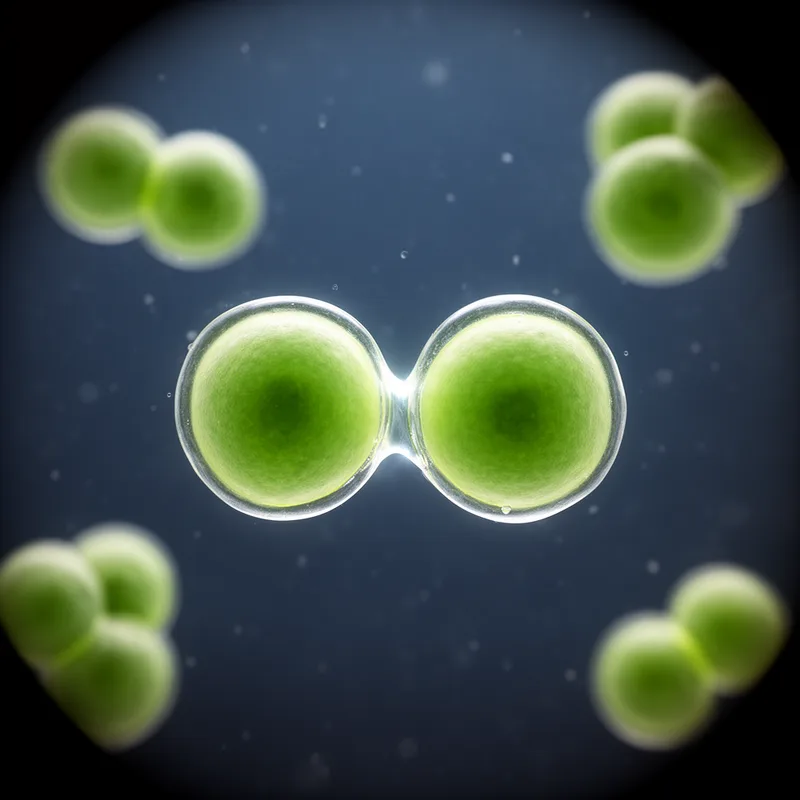
isogamous
- adjective
- /ˌaɪsəˈɡæməs/
- Specialized
- Are we studying the characteristics of isogamous organisms that produce gametes of the same size?
- isogamous algae
Examples
-
In this article, we describe recent findings regarding the mechanisms of organelle genome transmission in asexually reproducing red algae, isogamous green algae, and isogamous and oogamous plants, in order of I-V in Figure 1.
Academic text (1996) -
Now mating types occur at this stage with isogamous organisms and they reduce inbreeding.
-
Cytoplasmic inheritance in isogamous algae
Academic text (1996) -
In this article, we describe recent findings regarding the mechanisms of organelle genome transmission in asexually reproducing red algae, isogamous green algae, and isogamous and oogamous plants, in order of I-V in Figure 1.
Academic text (1996) -
The research examined how isogamous species reproduce through sex cells that are similar in form.
-
In aquatic environments, many isogamous plants produce identical gametes for successful reproduction.
Surface Forms
Morphology
isogamous = isogamy (semi-transparent) = iso + gam + ous
The adjective is formed by a regular noun-to-adjective suffixation (isogamy → isogamous), but the combining element 'iso-' and the root 'gam' are specialized/technical morphemes not familiar to average learners.
Etymology
Isogamous comes from the parts iso- meaning 'equal' and -gamous meaning 'marriage' or 'union', as in monogamy. So, isogamous reproduction is like an 'equal marriage' of two 'sex cells' — they look the same and are the same size.

