
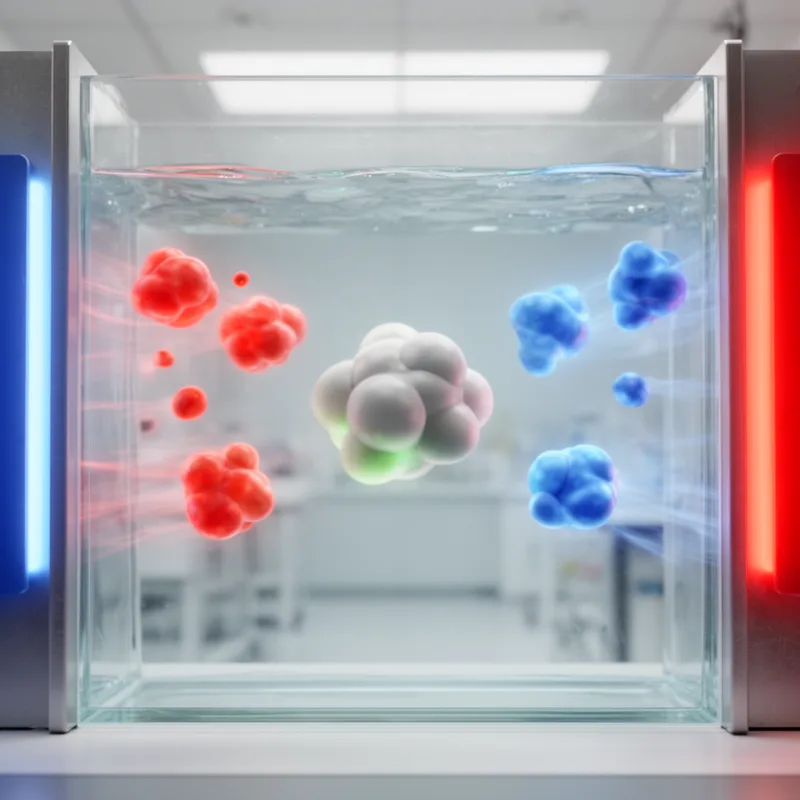
isoelectric
- adjective
- /ˌaɪsoʊɪˈlɛktrɪk/
- Specialized
- The concentration of this is maximal at the isoelectric point, isoelectric point.
- isoelectric point
Examples
-
The isoelectric point of an amino acid is the pH at which the amino acid has no electric charge.
Academic text (2015) -
The most widely used method for the preparation of protein isolates on a commercial scale involves alkaline extraction of proteins, followed by which the extracted proteins are precipitated at their isoelectric point (Kaur and Sing, 2007).
Academic text (2014) -
So the mechanism here is called isoelectric focusing.
-
The comparison of ion exchange resin and HPLC was described regarding isoelectric points of amino acids.
Academic text (2015) -
Lysine was eluted with tris HCl (pH 9) as its isoelectric point is between 9 and 10 pH, which ensured its complete recovery (Zurawick, 1999).
Academic text (2015) -
RNASE1B is a duplication of RNASE1 and is expressed in the small intestine; there are nine mutations between it and RNASE1, seven of which alter the charge and isoelectric point.
Blog text (26) -
The proteins from defatted flour of red kidney beans were isolated by alkaline extraction and isoelectric precipitation method as described by Kaur and Sing (2007) with slight modifications.
Academic text (2014) -
The isoelectric point determines when a protein will have no net charge in solution.
-
Scientists measure the isoelectric point of amino acids to understand their behavior in different pH environments.
-
At its isoelectric point, the molecule has equal positive and negative charges, resulting in no overall electric charge.
Synonyms
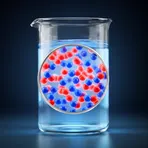
Having no overall positive or negative electric charge

An object that is neither positive nor negative electrically
Surface Forms
Morphology
Etymology
Isoelectric comes from the parts iso- meaning 'equal' and electric meaning 'electric charge', so an isoelectric molecule has 'no net charge' and will not move in an electric field.

