
isochronal
- adjective
- /ˌaɪsəˈkrɒnəl/
- Specialized
- The engineer designed the system to produce isochronal pulses every second.
Examples
-
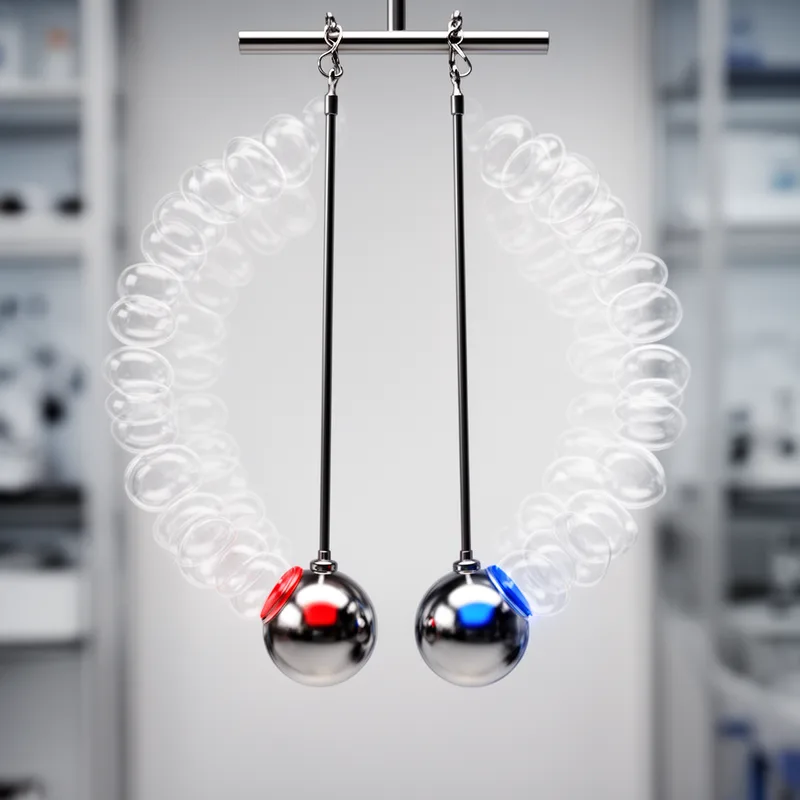
The scientist noted that the two pendulums were isochronal throughout the experiment.
-
These chemical reactions proceed in an isochronal fashion under controlled conditions.
-
The isochronal events were perfectly synchronized.
-
We observed several isochronal patterns in the data.
-
The engineer designed the system to produce isochronal pulses every second.
-
The scientist noted that the two pendulums were isochronal throughout the experiment.
-
These chemical reactions proceed in an isochronal fashion under controlled conditions.
Synonyms

Happening at equal time intervals

Happening after the same amount of time each time
How Regular


Surface Forms
Morphology
isochronal = chronal (semi-transparent) = iso + chron + al
The prefix iso- contributes the meaning of 'equal', but the base chronal is rare, so the full meaning is only partly obvious.
Etymology
Isochronal comes from Greek parts iso- meaning 'equal' and chron- meaning 'time', the same root you see in chronology. So something isochronal happens at 'equal' time steps or lasts the same amount of 'time', which is why we use it for events that repeat with the same timing.