
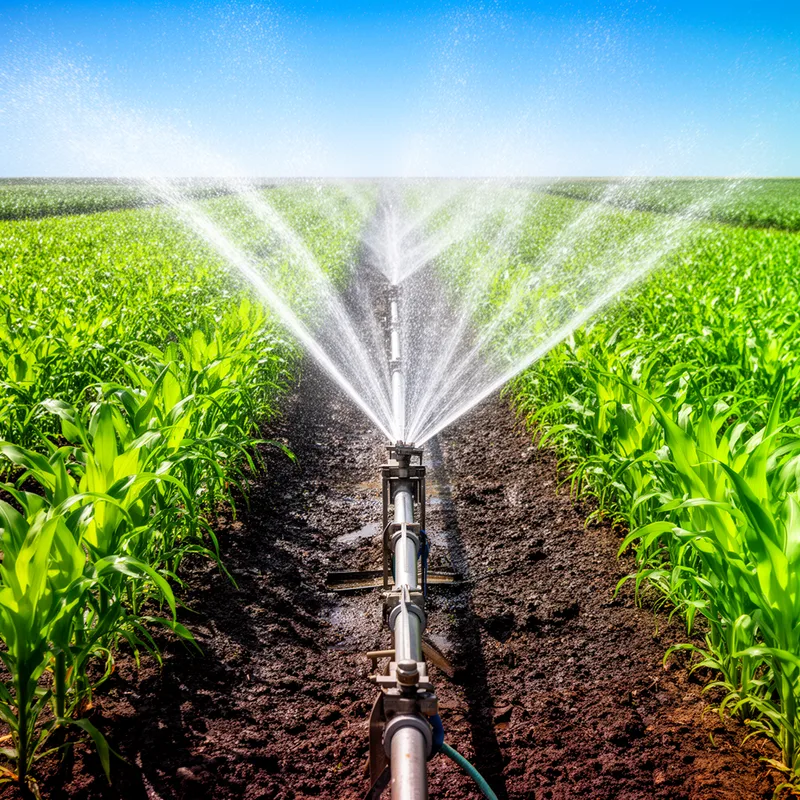
to irrigate
 9
4.3
9
4.3

- verb
- /ˈɪrɪɡeɪt/
- Farmers in this region rely on a system of canals to irrigate their fields throughout the summer.
- irrigate crops
- irrigate the land
- irrigate fields
Loading YouTube…
Watch on YouTubeThey like a nice really well irrigated soil.
- They like a nice really well irrigated soil.
- Like it looks like it's fertilizer or they're irrigating crops, but it's just fecal matter and waste.
- In Lima, being a desert, that water is used to irrigate every single field and every single place that requires water.
- So you don't need to craft a pantyhose sub irrigated little plant pot.
Examples
-
In Lima, being a desert, that water is used to irrigate every single field and every single place that requires water.
-
Most of the water withdrawn from the Mekong goes to irrigating crops, mainly rice.
Academic text (2007) -
I want to be sure and tell everyone how you irrigate those flowers.
-
And it would allow for the water to irrigate the crops.
-
I'm gonna irrigate this entire valley.
-
Next, I'm going to deeply irrigate that garden.
-
Someday I'll be able to irrigate every field and make all the farms healthy again.
-
When you go to irrigate your crops, you want to make sure that you give them a really good soaking.
-
The treated water could then be safely used to irrigate farms in the vicinity of the built-up area.
Academic text (2003) -
The old Cornfield Ditch was expanded into the Fruitland Canal in the 1930s, irrigating almost 1,500 acres.
Fiction book (1993)
Synonyms
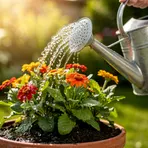 81
1.0
81
1.0
To give plants or animals something to drink
Antonyms
How Wet

Surface Forms
Morphology
irrigate = irrig + ate
Formed from the Latin combining form 'irrig-' plus the verb-forming suffix '-ate'; the combining form is not a recognisable standalone English base, so learners cannot reliably derive the meaning from the parts.
Etymology
The word irrigate comes from Latin parts in- 'in' and rigare 'to water'. It means 'putting water into' the land, which is why it is used for supplying fields and crops with water.