

involuntary muscle


 1
4.2
1
4.2
- noun
- /ˌɪnvəˈlʌntəri ˈmʌsəl/
- Specialized
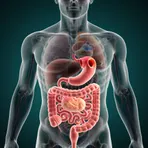
- The involuntary muscle in your intestines helps to push food through the digestive tract.
- involuntary muscle contraction
Examples
-
Breathing relies on involuntary muscles, allowing you to inhale and exhale automatically.
-
It's like an involuntary muscle.
-
Involuntary muscles work on their own.
Fiction book (1994) -
Hiccups are caused by a sudden contraction of the diaphragm, an involuntary muscle used in breathing.
Synonyms
 1
3.9
1
3.9
Muscle in the walls of organs and blood vessels that works without thinking
Antonyms
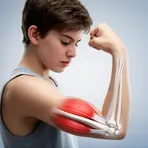
How Voluntary
- Specialized
1
3.4

- Specialized
1
4.2
Surface Forms
Morphology
The meaning is directly and transparently derived from combining 'involuntary' (without conscious control) with 'muscle' (body tissue that produces movement), so a learner will infer it denotes a muscle that contracts automatically. This adjective+noun composition is a regular, cross-linguistic pattern and therefore readily understandable by a B1 learner who knows both words.
Etymology
Involuntary muscle comes from the clear image of a muscle that is involuntary, so it moves 'without you thinking about it', like your stomach squeezing food while you sleep. That's why it means 'a muscle that works without you thinking about it'.