
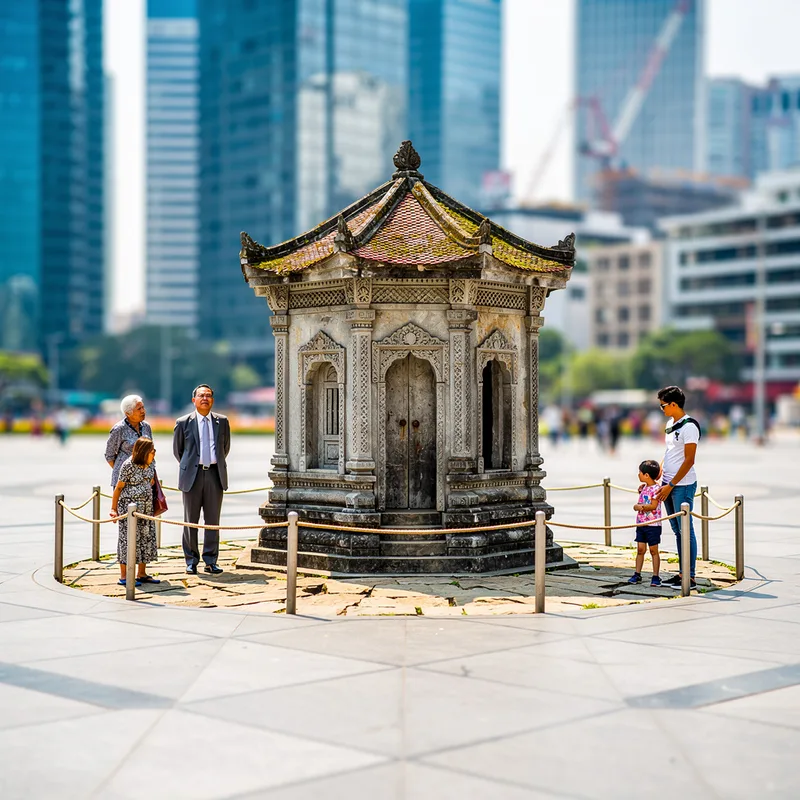
inviolate
 3
9.6
3
9.6

- adjective
- /ɪnˈvaɪəlɪt/
- Formal
- The ancient temple has remained inviolate, untouched by modern construction.
- remain inviolate
- inviolate condition
Examples
-
This land, deep and inviolate, paid for in blood, infused with the life spirit of those who would endure on its face.
-
The confessional is inviolate.
-
But your honor is your own, inviolate.
-
They are the ones who will protect and hold inviolate your vote.
-
The bottom will remain inviolate, the fish undisturbed.
Fiction book (1995) -
The person of an ambassador is sacred, inviolate.
Fiction book (1995) -
Hadn't she, too, once believed her marriage was inviolate?
Fiction book (1998) -
Love, in its pure state, divorced from our lives, might escape and remain inviolate, even as our lives might be tainted.
Fiction book (1997) -
Meredith's heart held the memories intact, held them inviolate...
Fiction book (1996) -
His right to opinion is still inviolate, except by rude, inconsiderate, ill-mannered fools like you.
Blog text (21)
Synonyms
 14
9.1
14
9.1
Too important to change or question
 5
8.6
5
8.6
Too important or sacred to be broken
 5
6.5
5
6.5
Left alone and not harmed or disturbed

Remains whole and not broken, especially a law or agreement
Antonyms

How Untouched

Surface Forms
Morphology
Etymology
Inviolate comes from the Latin parts in- meaning 'not' and violare meaning 'to harm or break', and it shares the same root as violate and violence. So something inviolate is kept 'not harmed' or untouched, often because it is special or protected.