
intrinsic factor
- noun
- /ɪnˈtrɪnsɪk ˈfæktər/
- Specialized
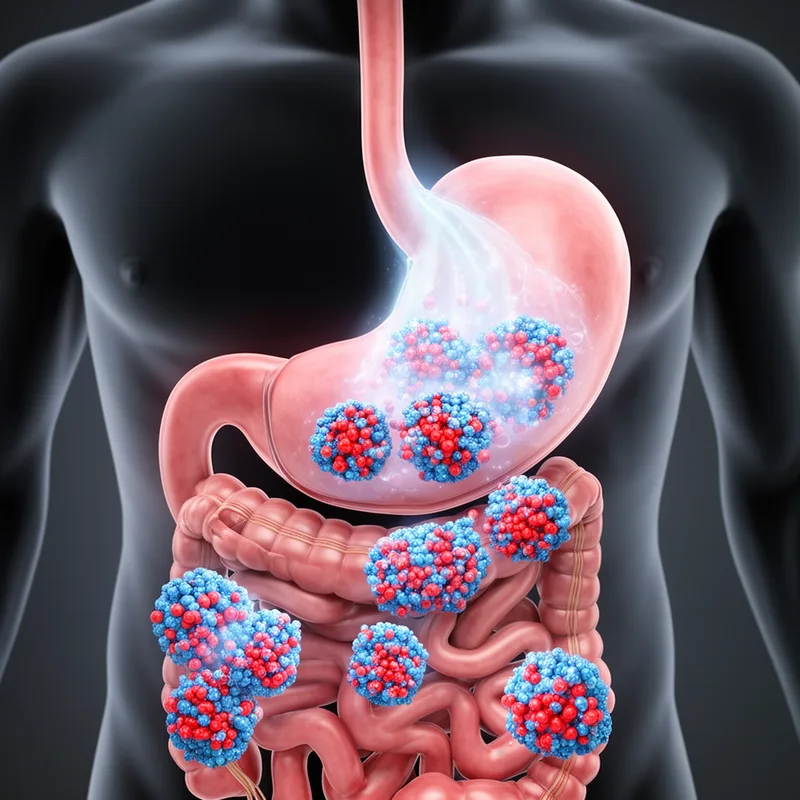
- The stomach cells that produce acid also produce a chemical called intrinsic factor, necessary for vitamin B-12 absorption.
Examples
-
Pernicious anaemia is an autoimmune condition, which results in antibodies being produced that attack and damage the parietal cells, causing cessation of intrinsic factor production.
Academic text (2012) -
To be absorbed by the body, vitamin B12 combines with a glycoprotein known as intrinsic factor, which cells in the stomach produce.
-
This then binds intrinsic factor and is absorbed in the terminal ileum.
Blog text (30) -
Certain conditions, such as pernicious anemia, prevent the production of intrinsic factor, leading to B12 deficiency.
Surface Forms
Morphology
The combination 'intrinsic' (innate/essential) + 'factor' (element influencing an outcome) transparently yields a general sense of 'an inherent or essential element.' However, the specific technical referent — a gastric glycoprotein required for vitamin B12 absorption — is specialist biomedical knowledge that cannot be deduced from the constituents alone, so a B1 learner would grasp only the general sense not the precise biological meaning.
Etymology
The term intrinsic factor was chosen because intrinsic means 'built-in' or 'inside' and factor means something that 'helps'. It is a substance made in the stomach that helps the body 'absorb' vitamin B12, so the name explains its job.

