
interpretive program
- noun
- /ɪnˈtɜːrprɪtɪv ˈprɒɡræm/
- Specialized
- Unlike compiled languages, an interpretive program executes instructions directly, which can simplify debugging.
Examples
-
Basic is often run using an interpretive program instead of being compiled.
-
The interpretive program runs each line of code sequentially.
-
The software was designed as an interpretive program to facilitate rapid testing of code.
-
Many developers prefer an interpretive program for debugging.
-
An interpretive program allows developers to test their code quickly by running it line by line.
-
Engineers often use an interpretive program to experiment with algorithms without needing to compile first.
-
The interpretive program enables users to see immediate results as they modify and execute their code.
Synonyms

 4
5.8
4
5.8

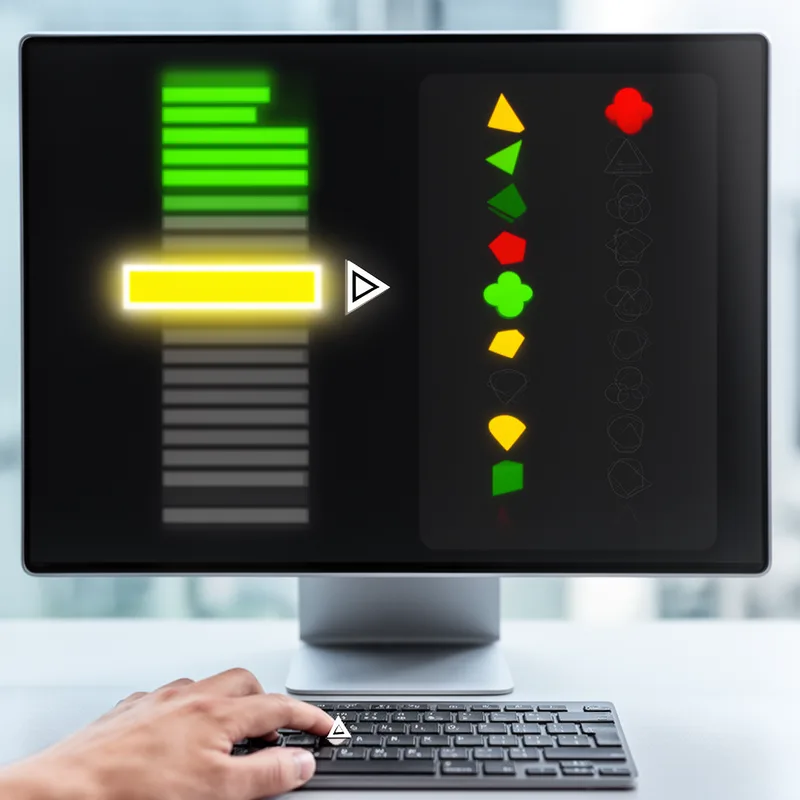
A computer program that runs code one line at a time
Antonyms

- Specialized
A program that turns programming code into instructions the computer can run
Surface Forms
Morphology
interpretive + program
The meaning 'an educational series that explains exhibits or topics' is directly compositional from 'interpretive' (relating to interpretation or explanation) + 'program' (a planned set of activities). Although 'program' can mean computer software, it also commonly denotes organized events or activities in English, so a B1 learner who knows both constituent senses should be able to infer the MWE meaning.
Etymology
Interpretive program comes from the image of a translator who 'interprets' each line and acts right away; the interpretive idea is reading meaning line by line and the program is the set of instructions it runs. So in computing it means a program that reads and runs code one line at a time.