
insular
 1
7.5
1
7.5

- adjective
- /ˈɪnsələr/
- Living in an insular environment, they rarely interacted with people from the mainland.
- insular shelf
- insular Pacific
Examples
-
Cuba is fortunate among Caribbean islands in having an extensive insular shelf with high levels of biological productivity, compared with the open oceans surrounding it.
Academic text (1997) -
Many residents of the insular town preferred traditional customs over modern changes.
-
Living in these insular, mostly Jewish towns was like being suspended on a raft above still water, drowsing on a hot day.
Academic text (2008) -
In the nineteenth century, Great Britain played a similar role because of its insular position and its reliance upon naval power.
Academic text (1990) -
Considered an insular Sahel, the country often misses the late summer and early fall tropical rains from the surrounding ocean.
Academic text (2008) -
As these resources become fully exploited, however, the available habitat for further expansion of insular fisheries in Hawaii declined markedly.
Academic text (1993) -
The peaceful democratic evolution in countries such as Australia and New Zealand benefited from their insular boundaries and also the aspirations for freedom and equality of their lower-class immigrant populations.
Academic text (1990) -
Precisely because most of their citizens share a common cultural and linguistic heritage, the homogenized states of postwar Europe have tended to be more culturally insular than their demographically diverse predecessors.
Academic text (2008) -
The small island community had an insular atmosphere, where everyone knew each other's business.
How Continental

Surface Forms
Etymology
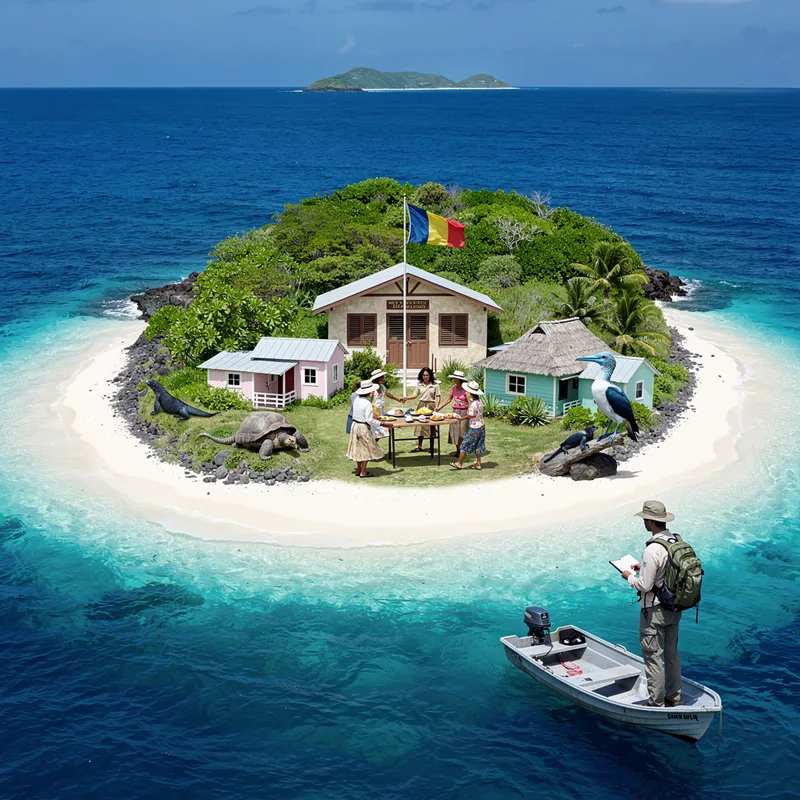
Insular comes from the Latin word insula, which means 'island'. So insular is used for things that are 'of an island' or 'relating to islands', like island customs or wildlife.