

inquisitor
 15
9.9
15
9.9

- noun
- /ɪnˈkwɪzɪtər/
- The Inquisitors said Columbus was divinely inspired to bring Spanish civilization to the New World.
- the Grand Inquisitor
- Inquisitor General
Loading YouTube…
Watch on YouTubeAnd Christ coming along would upset the proverbial apple cart, you know, So the Grand Inquisitor has to get rid of him.
- And Christ coming along would upset the proverbial apple cart, you know, So the Grand Inquisitor has to get rid of him.
- So this is the Grand Inquisitor's complaint and and case.
- And so we can laugh at Christian inquisitors or Puritan divines who thought that devils actually existed or heretics existed.
- That yes, the, the Inquisitor is, is right there.
- Derzinski had been, He was the Grand Inquisitor.
- And so the Grand Inquisitor tells him, I have a secret to tell you.
Examples
-
I, the second-born son of Prince Vajda, as Grand Inquisitor, do condemn you.
-
What is the pope's most feared inquisitor doing in Venice, Bishop Pucci?
-
The Chief Inquisitor from Rome is here and he is out for blood.
-
I must not speak about the business of the Inquisitor's office.
-
When the Inquisitor stops speaking, he waits a long while for the prisoner to answer him.
Academic text (2018) -
Inquisitor Frias is a friend of ours.
-
Despite various disagreements, he and his inquisitors shared a theological basis for disagreement.
Fiction book (1993) -
I remind all present that they are bound by their vow of obedience... ...and on pain of excommunication... ...to aid the inquisitor in his painful struggle against heresy.
-
Sanford Shepard speculates that the book was issued by the circle around the Inquisitor General, Toms de Torquemada (24).
Academic text (1992) -
During the trial, the inquisitor questioned the accused about their beliefs.
Synonyms
 1
9.9
1
9.9
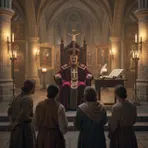
A chief church official who ran trials for heresy in Spain or Portugal
Compounds
Surface Forms
Morphology
Etymology
Inquisitor comes from Latin parts in- and quaerere, which mean 'in' and 'to seek'. It was originally the name for a church official who 'sought out' wrong religious beliefs, which is why a historical inquisitor investigated and punished heresy.