
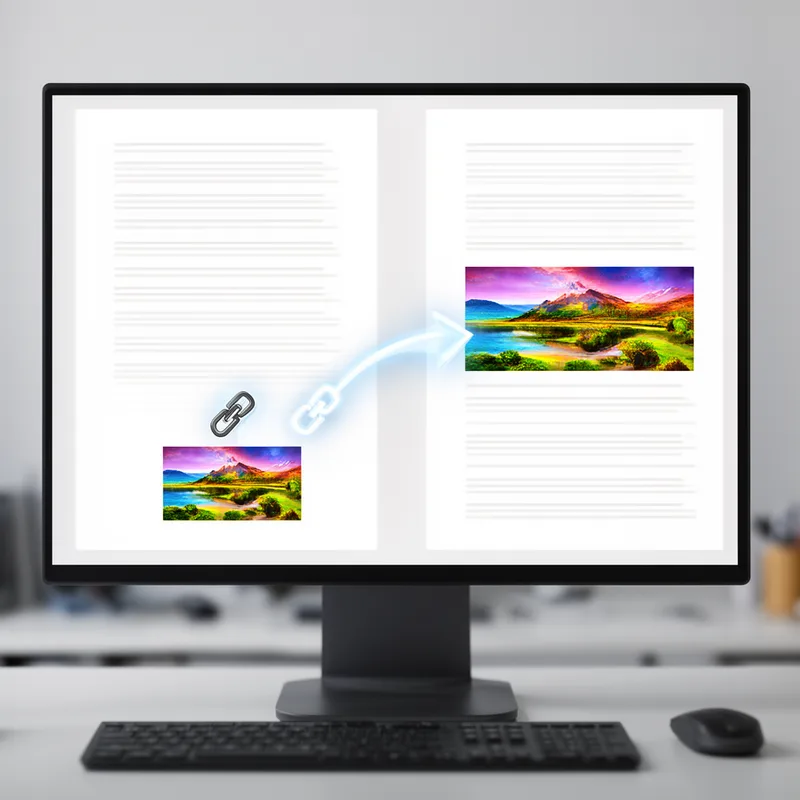
inlining
- noun
- /ˈɪnˌlaɪnɪŋ/
- Specialized
- The inlining of images in emails can help ensure they display correctly without external downloads.
Examples
-
Web developers often use inlining to improve the loading speed of their websites.
-
By inlining small CSS files, the team reduced the number of server requests needed for each page.
-
The website uses inlining to improve load times.
-
Many developers prefer inlining for better performance.
-
Inlining allows developers to improve page load speed by embedding resources like images directly in the HTML.
-
The web designer used inlining to include CSS within the HTML document, reducing the number of separate file requests.
-
By using inlining techniques, the site's performance improved because all required resources were available immediately.
Synonyms

Putting an image or code into a document so it appears as part of it
How Embedded
- Specialized

- Specialized
Surface Forms
Morphology
Etymology
Inlining comes from the parts in- 'in' and line 'row' or 'line in a page'. A helpful way to remember it is to picture putting an image or small code 'inside' the page so you do not have to link to another place to get it.

