
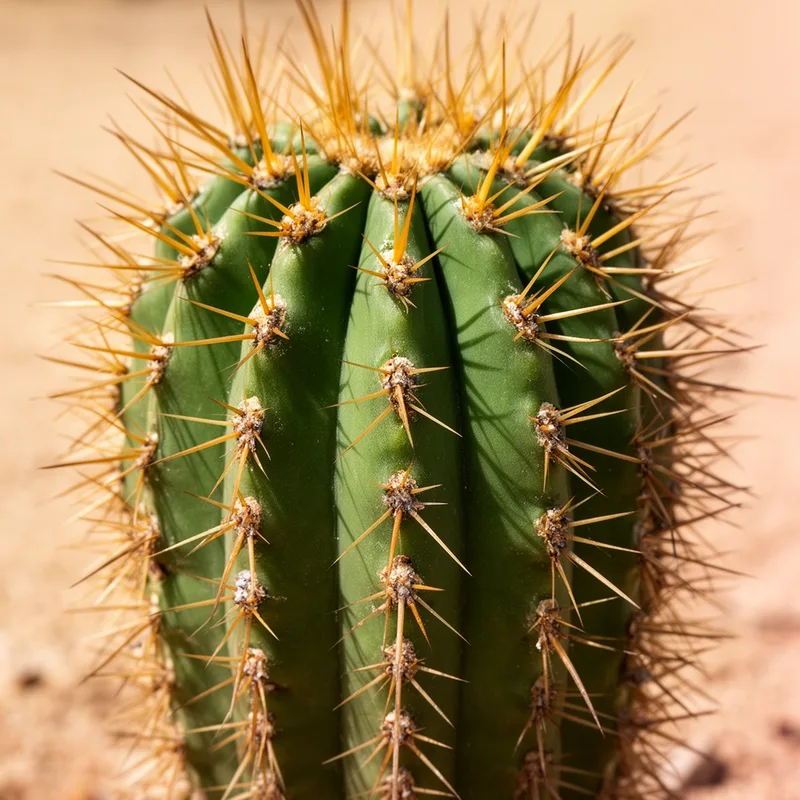
inherently
 119
4.7
119
4.7

- adverb
- /ɪnˈhɪrəntli/
- Do you believe people are inherently good or bad?
- inherently good
- inherently difficult
- inherently limited
Loading YouTube…
Watch on YouTubeSo one form is this is an inherently wrong practice.
- So one form is this is an inherently wrong practice.
- The title of feminist inherently excludes men.
- So there's nothing inherently unique about that action.
- And yet our inner experience inherently transcends linguistics.
- Gambling addicts are not inherently bad gamblers.
- But to them, that music inherently sounded scary.
- You know, the appreciation of poetry is inherently subjective.
- And that's why they're not good because they're inherently less than honest.
- It's just this whole thing is so inherently childish.
- Fathers are less inherently attached to the child.
- There's nothing inherently wrong with a White Rose.
- Did you sit there thinking, wow, they're inherently unlovable?
- So there is nothing inherently good or bad about any of this.
- Now, PMI is not an inherently good or bad thing.
Examples
-
The project aims to address issues that are inherently linked to climate change.
-
You know, the appreciation of poetry is inherently subjective.
-
Time is not inherently right or wrong, it just is.
-
Now, I just wanted to show you that there is no way of writing that is inherently male or female.
-
That creates real problems because we're now inherently competing for the same thing.
-
Yeah, technology inherently isn't good or bad, right?
-
But this design is also inherently flawed.
-
This concept, it's inherently sexist.
-
The reporters tended not to view scientists as inherently better or more important than any other sources.
Academic text (1999) -
Discussions about energy choices are inherently political, and clearly the use of any energy source has drawbacks.
Academic text (1999)
Synonyms
 745
3.4
745
3.4
Mostly in the main or basic sense
 181
3.9
181
3.9
In a basic way that shows what is most important
 144
1.8
144
1.8
Because of a person's usual character, not outside influence
 22
6.4
22
6.4
Part of the basic nature of something
 13
4.9
13
4.9
In a way that fits naturally into the whole
 8
5.6
8
5.6
In a natural way that someone has from birth
 1
5.8
1
5.8
In a way that is necessary for the whole to work
 1
7.3
1
7.3
In a way that is a natural part of someone's character


 1
5.5
1
5.5
In a basic and essential way

In a way that is a natural part of something
Antonyms
How Fundamental

Surface Forms
Morphology
Etymology
The word inherently comes from Latin parts in- 'in' and haerere 'to stick', the same idea you see in adhere. So, if something is inherently part of something else, it 'sticks' to it as a natural or essential part.