
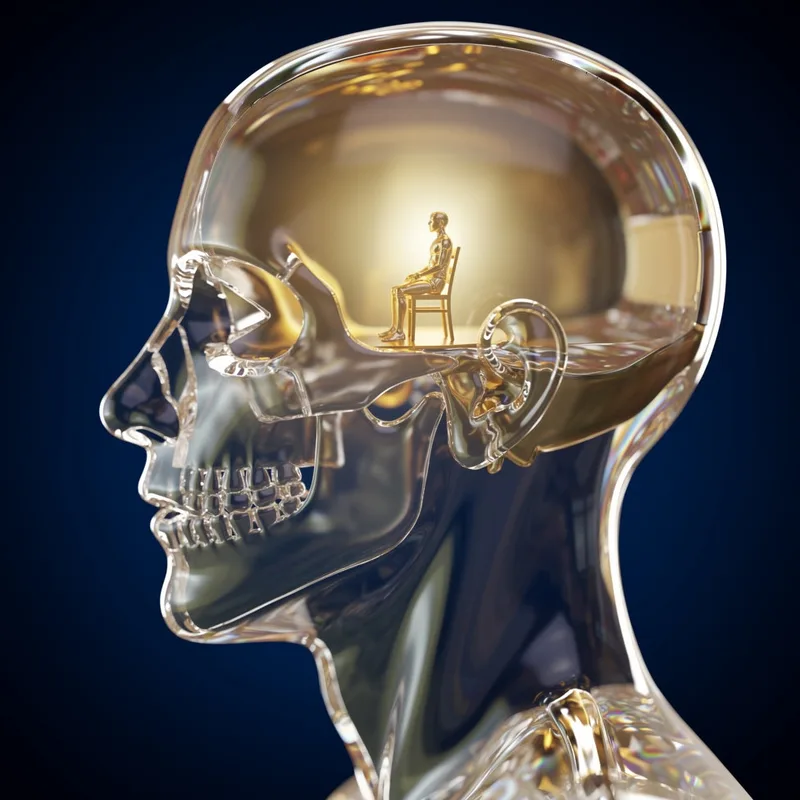
to inhabit
 44
3.6
44
3.6

- verb
- /ɪnˈhæbɪt/
- Not like Mad Men at all, even though they inhabit the same New York world.
- inhabit a world
- inhabit a realm
- characters inhabit a story
Loading YouTube…
Watch on YouTubeAll human speech inhabits him, all poetry and myth.
- All human speech inhabits him, all poetry and myth.
- But as a subject of experience, I inhabit an intelligible world.
- I just sort of allowed myself to inhabit that character.
- Instead the ethical inhabits the person and guides and orients them.
- If you're trying to maintain a certain persona or inhabit a character for three months.
- And that's, that's a hard mind space to inhabit.
- You just go, Oh, boy, I forgot that I'm a ghost inhabiting a meat vehicle on a floating rock.
- Actors inhabit completely different characters on demand.
- He believed enable spirits inhabiting people.
- But in a day, you could experience any one of the heart stages, although you tend to inhabit one stage primarily.
- And that, that that occupies our space, removes us from our own space and let's the artist inhabit our space.
Examples
-
The way I work is I have to inhabit a space, before I begin designing it.
-
- Why then have you decided to inhabit my shop this evening?
-
I just sort of allowed myself to inhabit that character.
-
And I think we just kind of like, we're really able to inhabit this, this weird place.
-
Actors inhabit completely different characters on demand.
-
We're starting to inhabit more and more tribal roles.
-
They want to inhabit it, and they want to inhabit it on their own terms.
-
And that in one particular way we have to understand that the system as we inhabit it is falsely constructed.
-
We inhabit a world of intersecting secrecies.
-
The writer was able to inhabit the protagonist's mind, making the story feel deeply personal.
Synonyms
 21
4.1
21
4.1
To be present in a person's mind or heart for a long time
How Present

Surface Forms
Morphology
Etymology
Inhabit keeps the same idea when used for feelings or ideas, because its root habitare means 'to live'. That's why we say a memory or doubt 'inhabits' a mind — it 'lives in' someone's thoughts.