
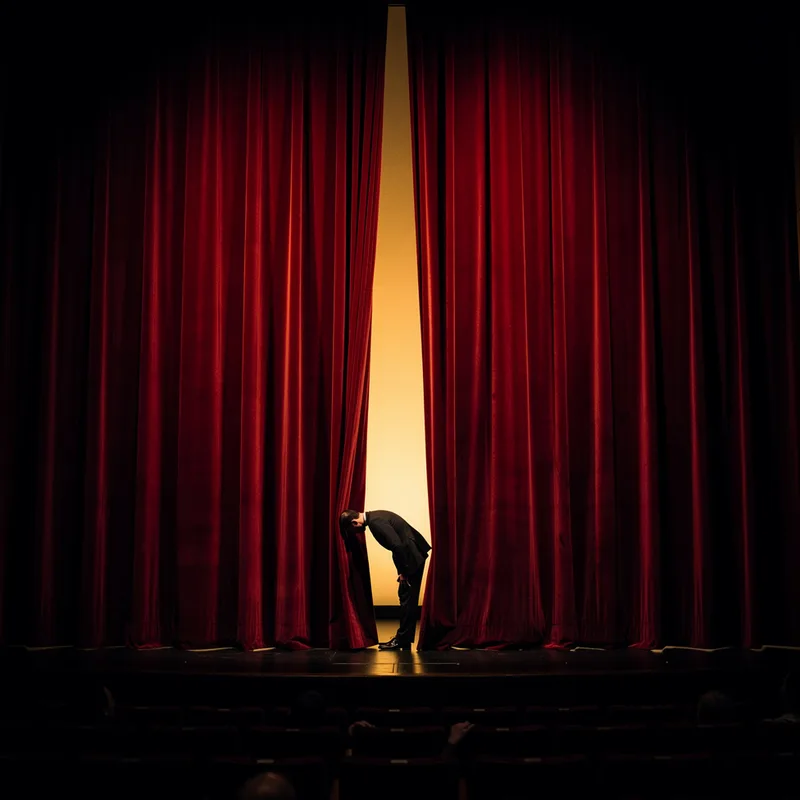
ending
 393
1.0

- noun
- /ˈɛndɪŋ/
- We thus have what appears to be a happy ending, a cozy romance come true.
- a happy ending
- a surprise ending
- ending of the story
Loading YouTube…
Watch on YouTubeAnd it's got a little cliffhanger ending, which I'm.
- And it's got a little cliffhanger ending, which I'm.
- Until the twist ending where they drag you to.
- This was going to have a dynamic ending one way or the other.
- I do really like the ending line of this book.
- Yeah, We had several endings, always on different films.
- Did you know the ending as you begin?
- It was more like it ends there kind of feeling.
- But yeah, I just, yeah, the ending was like, good.
- Hopeful we lurch until the ending fishes out a servile soul.
Examples
-
The ending of the novel was so touching that it brought tears to my eyes.
-
We never learn what happens to Anil after Sarath's death: this ending is intentionally ambivalent.
Academic text (2008) -
I do really like the ending line of this book.
-
- And that it was a very happy ending to his night.
-
This really represents the ending of a wonderful day of learning.
-
It's not a very satisfying ending.
-
But Rosie says nothing, and I wonder what ending she has written in her own mind.
Fiction book (1993) -
Things don't always have happy endings in real life.
-
I think everyone's hoping for a storybook ending.
-
Because stories have beginnings, middles, and endings, they help to develop the sequencing and organizing processes of the brain.
Academic text (2013)
Synonyms
 ∞
1.0
The final part of something, like an event or story
 182
2.3
The last part when something ends, for example a meeting
 166
3.6
The last, most exciting part of a show or event
 164
2.2
The last part of an event, activity, or piece of writing
 150
1.6
The end of an event, period, or activity
 78
1.0
The final part of an event or activity
 52
4.1
The point when something stops or finishes
 37
6.3
The highest point in a process or event
 29
5.6
The final stage of talks or a process when the result is decided
 16
3.5
The last part of something, especially a period or event
 16
3.9
The place or moment when something finishes
 15
3.6
A complete end to an activity or process
 8
5.4
A place or time when something ends
 7
8.9
Last part of a story or play that explains what happened
 5
5.1
The final part of an event or activity
 3
9.9
A word used to show the formal end of a book, film or performance
 2
5.5
The end point of something like a road or tunnel
 1
3.6
The last part of a period of time, for example a school year or concert
 1
3.6
The final part of an event or activity


 1
9.9
The last small part of something often thought less important
 1
9.9
The final result of a process or event
Antonyms
Compounds



- Specialized
1
4.1
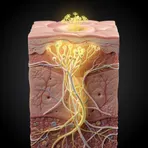
A tiny part of the body that sends feelings like touch or pain to the brain


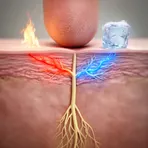
- Specialized
A tiny part of the skin that sends signals about pain and temperature
- Specialized
Letters added to the end of a word to show grammar, such as tense, number or case
How Final

Surface Forms
Morphology
Etymology
The word ending comes from the simple word end meaning 'finish' plus the small part -ing that turns it into a thing. So an ending is the 'final part' or conclusion of something.