
inflectionless
- adjective
- /ɪnˈflɛkʃənləs/
- Specialized
- The verb is inflectionless in this dialect.
Examples
-
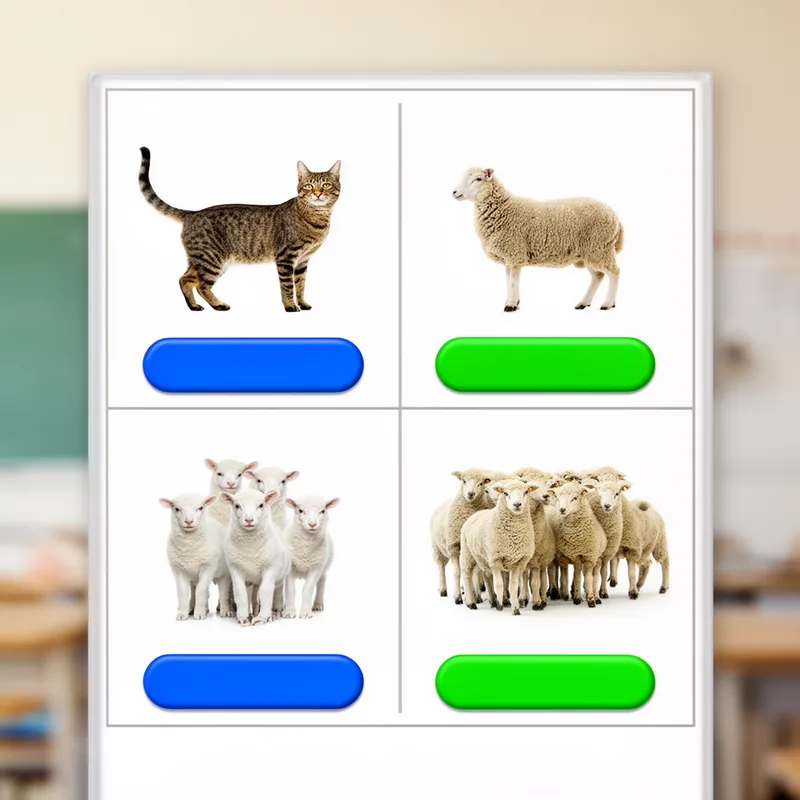
The noun 'sheep' is inflectionless, appearing the same in both singular and plural forms.
-
In English, the word 'deer' is inflectionless because it does not change between singular and plural.
-
Some languages have many inflectionless words that keep the same form in all contexts.
-
She prefers an inflectionless style of writing.
-
The inflectionless language used in the report made it difficult to understand the speaker's emotions.
-
In an inflectionless dialect, the words remain the same regardless of their grammatical role.
-
The text was written in an inflectionless style, lacking any changes for tense or plurality.
Synonyms

Not changed in form to show time, amount, or part in a sentence

Not changed in form to show tense, number, or case
Antonyms

How Inflected

Surface Forms
Morphology
inflectionless = inflection (transparent) = inflection + less
Formed by the noun 'inflection' plus the productive suffix '-less' meaning 'without', so the meaning 'without inflection' is directly derived.
Etymology
Inflectionless comes from the parts in- 'not' and flect 'to bend', the same root as flex ('bend'). So in grammar it means a word does not 'bend' its form for time, number, or case, which is why 'sheep' and 'deer' stay the same in singular and plural.

