
infibulation
- noun
- /ˌɪnfɪˈbjuːleɪʃən/
- Archaic
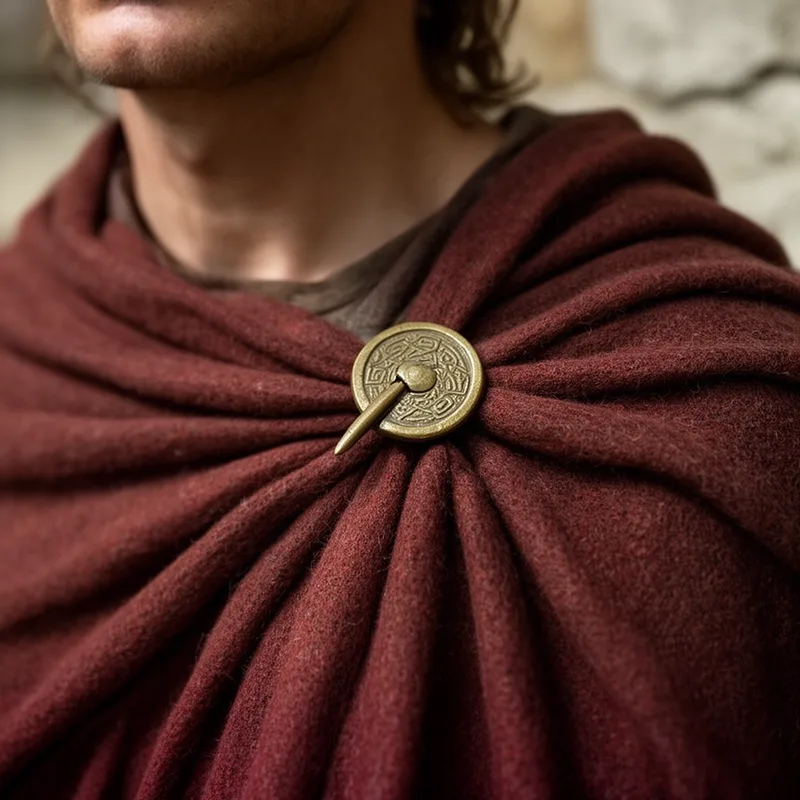
- A small infibulation was used to fasten the cloak in Roman times.
Examples
-
The ancient Roman dress featured infibulation to secure the fabric.
-
Historians studied the bronze infibulation found with the soldier's uniform.
-
The ancient garment was held together by an ornate infibulation at the shoulder.
-
Many historians discuss infibulation in their studies of ancient clothing.
-
The ancient garment was held together by an ornate infibulation at the shoulder.
-
A small infibulation was used to fasten the cloak in Roman times.
-
The ancient Roman dress featured infibulation to secure the fabric.
Synonyms

 2
2.7

A cord threaded through holes to tighten a shoe or corset
 2
6.0
Fastening something so it stays in one position
 1
3.0
Attaching something with pins to hold it in place
Surface Forms
Morphology
infibulation = infibulate (opaque) = in + fibul + ation
Although the derivation from 'infibulate' is structurally regular, the archaic specialized meaning is not readily recoverable for most learners.
Etymology
Infibulation in its older sense also comes from Latin in- 'in' and fibula 'pin' or 'brooch', and it was used for fastening clothes with a pin. So the word once simply meant a 'fastening', like the pin that held a cloak, which is why historians use it for old clasps or brooches.