
indigenismo
- noun
- /ˌɪndɪˈdʒɛnɪzmoʊ/
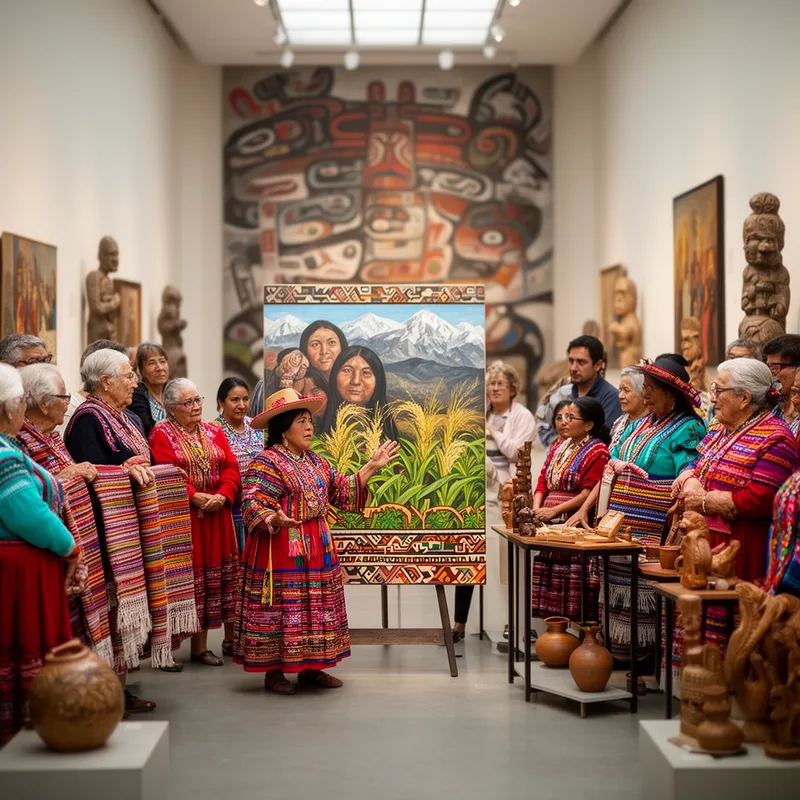
- The movement of indigenismo values and preserves the rich cultures of indigenous peoples in Latin America.
Examples
-
21 Taiwan-centric elites today make their case for separation with all of the above arguments, namely Taiwan's democracy (versus China's authoritarianism), indigenismo, and unique historical and cultural experiences, especially under Japanese colonization.
Academic text (2014) -
This may also be a major tool in the decolonization process, as urban Mexicans have the chance to examine the reality of their own culture without the romanticizing concept of indigenismo as intermediary.
Academic text (2006) -
(15.) The literary movement Indianismo, the nineteenth-century romantic interest in the Indian, is distinct from the modern indigenismo.
Academic text (2018) -
It is important to highlight the strikingly different understanding between this and a previous "discovery" of the Other as a knowledge producer that was popular among intellectual elites through the early part of the 20th century and is known as indigenismo.
Academic text (2008) -
Many countries in Latin America have adopted indigenismo policies to enhance the rights and voices of native communities.
-
An important aspect of indigenismo is the recognition of indigenous traditions and their role in shaping national identities.
Antonyms



 22
7.4
Control of one country by people from another country who live there and take its resources for profit
Surface Forms
Etymology
Indigenismo comes from the word indigenous, which means 'native' or 'from the land', and the Spanish ending -ismo, meaning 'movement' or 'belief'. So, indigenismo is a movement, often in Latin America, that promotes and values native peoples and their traditions.