
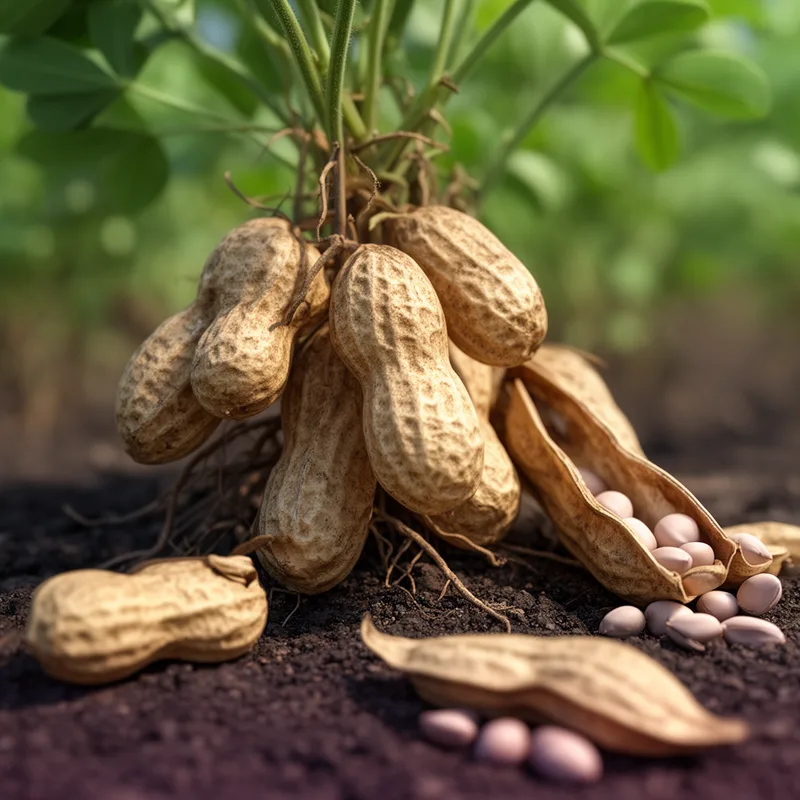
indehiscent


 1
9.9
- adjective
- /ˌɪndɪˈhɪsənt/
- Specialized
- Peanuts are an example of an indehiscent fruit, meaning they do not split open at maturity.
Examples
-
The evolutionary significance of indehiscent fruits can be seen in their role in animal seed dispersal.
-
Some plants produce indehiscent pods to protect their seeds until they are eaten or decay.
-
The indehiscent fruit of the cherry tree remains closed until harvested.
-
In botany, an indehiscent pod does not split open.
-
An indehiscent fruit, like a hazelnut, does not split open naturally to release its seeds.
-
The sunflower is an example of a plant that produces indehiscent seeds, which remain enclosed until harvested.
-
Many legumes are dehiscent, while others, like certain types of peas, have indehiscent pods that retain their seeds.
Antonyms
How Open
- Specialized

- Specialized
1
9.9
Surface Forms
Morphology
Etymology
Indehiscent breaks into in- 'not' and dehisce 'to split open'. It describes fruits or pods that do not open by themselves to release seeds, so the word literally means 'not splitting open'.