

to incarnadine
- verb
- /ɪnˈkɑrnəˌdaɪn/
- Archaic
- The artist incarnadined the cherub's cheeks to give them a lifelike glow.
Examples
-
She decided to incarnadine the walls of her nursery.
-
A warm light seemed to incarnadine the clouds at sunset.
-
Her memories of those days incarnadined her thoughts with nostalgia.
-
The artist incarnadined the flowers in her painting.
-
The artist incarnadined the cherub's cheeks to give them a lifelike glow.
-
She decided to incarnadine the walls of her nursery.
-
He chose to incarnadine the fabric to match the skin tones in his sculpture.
Synonyms

 228
1.0
228
1.0

To make something a different shade by painting or dyeing
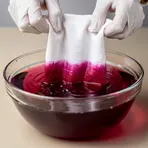 37
2.2
37
2.2
To change the color of something using a coloring liquid or powder


 1
9.9
1
9.9
To give a color to something, often by light
 1
5.1
1
5.1
To add color to something by applying a colored substance or by natural change

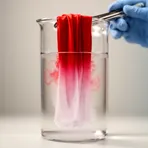
To color something red with red powder or paint

To give something a very light color
Antonyms
How Pink
- Archaic
 24
3.6
24
3.6
Surface Forms
Morphology
incarnadine = incarnate (semi-transparent) = in + carn + adine
The verb sense ('to make flesh-colored') is directly related to the root meaning 'flesh' though the suffix '-adine' is non‑productive in modern English, so learners familiar with 'incarnate' or 'carn-' may infer the meaning.
Etymology
Incarnadine comes from the Latin incarnare, made of in- 'in' and carn- 'flesh'. It literally means 'to make flesh', so as a verb it means to give something a flesh-like, pinkish or reddish color.