
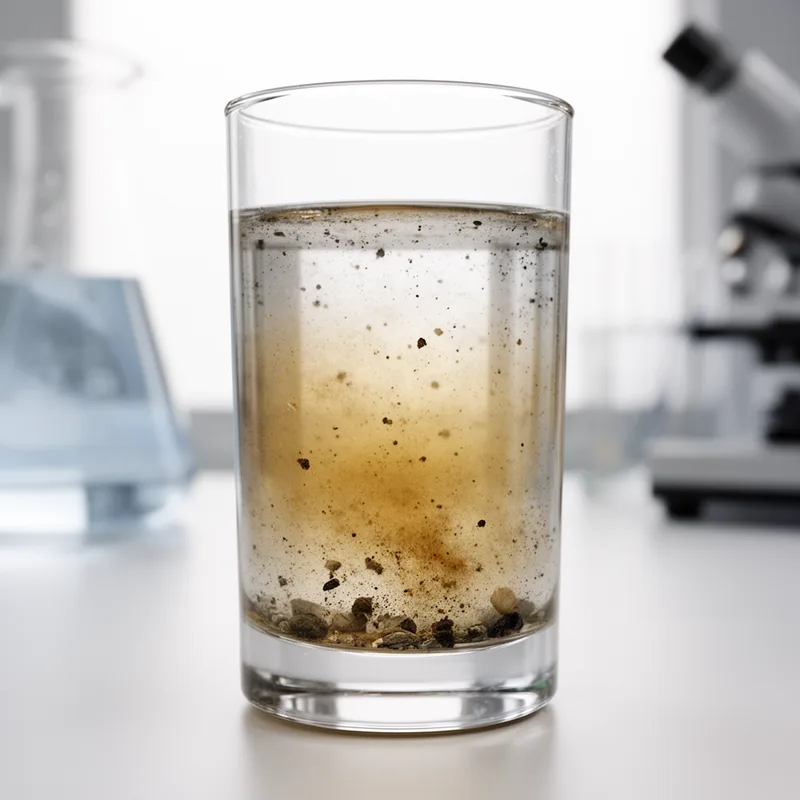
impureness
- noun
- /ɪmˈpjʊrnəs/
- The impureness of the water made it unsafe to drink.
Examples
-
Any impureness in the sample could affect the experiment's results.
-
Religious practices often emphasize ritual cleansing to remove impureness.
-
The impureness of the water raised health concerns.
-
There is an alarming level of impureness in the air.
-
The impureness of the water made it unsafe to drink.
-
Any impureness in the sample could affect the experiment's results.
-
Religious practices often emphasize ritual cleansing to remove impureness.
Synonyms
 19
5.1
19
5.1

A small unwanted substance in a material that can make it unsafe
 1
1.0
1
1.0
Not being clean because it has mud, dust or stains


 1
5.5
1
5.5
A state when a place or person is dirty and not cared for
Antonyms

How Pure

Surface Forms
Morphology
Etymology
Impureness comes from the small parts im- meaning 'not', pure meaning 'clean' or 'clear', and -ness showing a 'state' or quality. So impureness is the 'not-pure' state — think of clear water going cloudy to remember it means a lack of purity.