
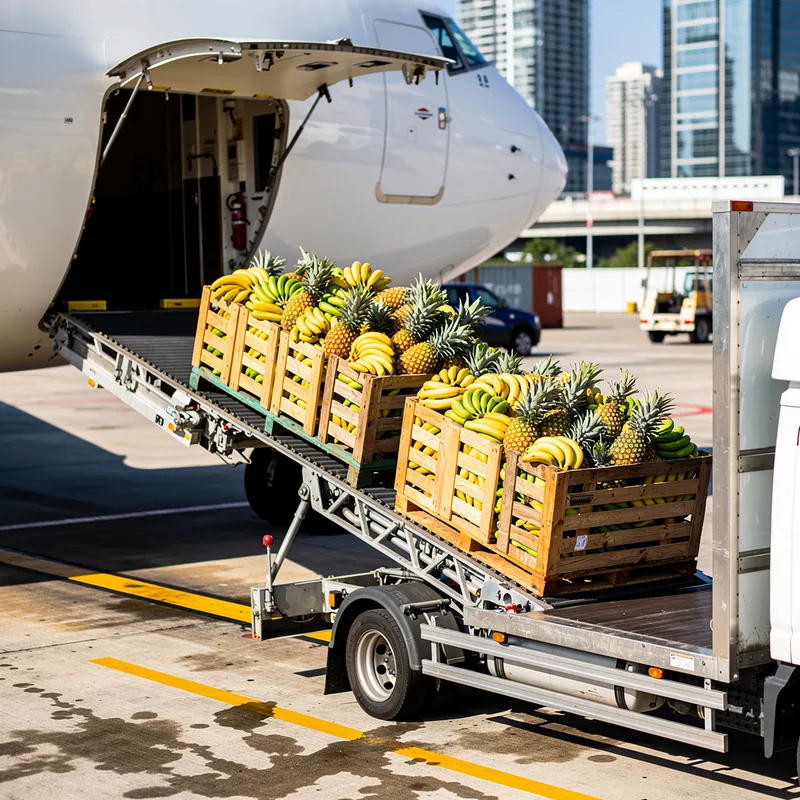
to import
 187
2.6
187
2.6

- verb
- /ˈɪmpɔrt/
- But today, more of the world's imported goods come from China than from the United States.
- import goods
- import oil
- import natural gas
Loading YouTube…
Watch on YouTubeThe reason that Europe would rather import their cars from China.
- The reason that Europe would rather import their cars from China.
- And they would actually import masts from New England.
- Now, I didn't want to import a car from overseas.
- And now we actually import from multiple partners around Vietnam.
- Here he is in Greensboro talking about how the US doesn't need to import oil from petrostates.
- In it, some people say the organization was importing up to a billion pounds worth.
- I mean, the the people I imported weed with, most of them are millionaires now.
- Tucker Carlson says we've imported the third world and become the third world.
- I just don't the disconnect between this virtue signalling and the people we're importing and filling up our cities.
- You move to Miami, you start to import cocaine on those little cigarette boats.
Examples
-
By 2030, China will import eighty percent of its oil, mostly from the Middle East.
Academic text (2015) -
We import frozen fish, we import frozen poultry, we import groundnut oil.
-
So this would mean the United States would no longer have to import oil from overseas.
-
The New York Botanical Garden imports performers from Broadway shows to kick off some of its events.
Academic text (2011) -
Here he is in Greensboro talking about how the US doesn't need to import oil from petrostates.
-
Cape Verde is entirely dependent on imported oil for desalination of water.
Academic text (2008) -
The country decided to import cars from Japan to improve their vehicle options.
-
Many businesses import raw materials from overseas to produce their products.
-
As a result of the trade agreement, we can now import cheaper electronics from Europe.
Antonyms
Idioms

Compounds


- Specialized
A bank promise to pay a foreign seller for goods a company buys from another country

How Much
187
2.6
 15
3.3
15
3.3
Surface Forms
Morphology
import = im + port
The verb is analyzable as im- (in-/into) + port (carry), giving the clear meaning 'bring into'.
Etymology
The verb import comes from Latin in- ('into') + portare ('to carry'), so to import is to 'carry into' a country. That's why we use it for bringing goods or services from abroad.