
imperishableness
- noun
- /ɪmˈpɛrɪʃəblnəs/
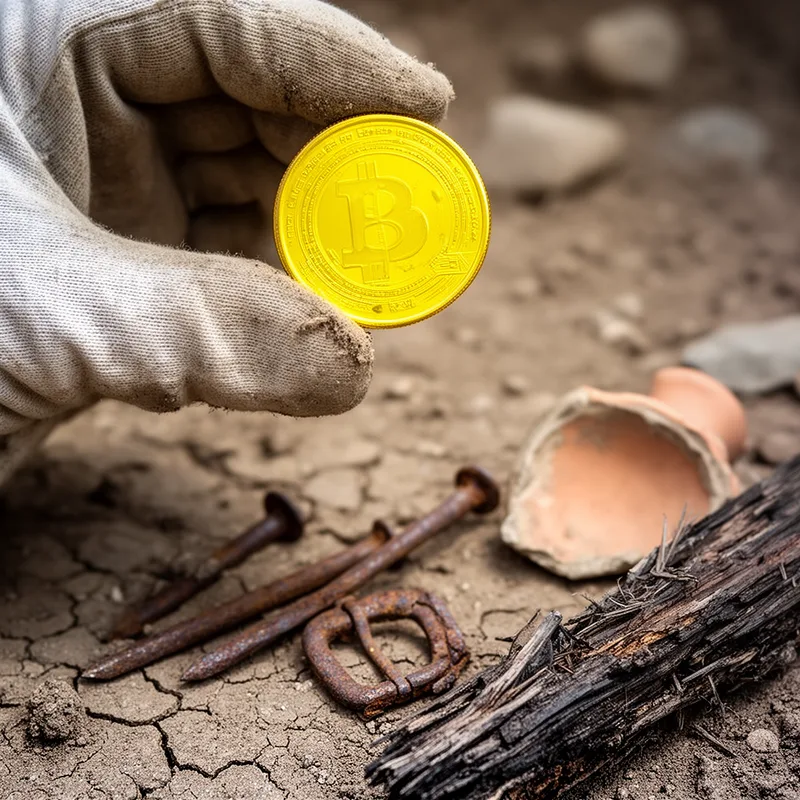
- The imperishableness of gold makes it valuable for making jewelry and coins.
Examples
-
He praised the imperishableness of the synthetic materials used in the construction.
-
The imperishableness of diamonds ensures they remain cherished for generations.
-
Many ancient myths speak of the imperishableness of the gods.
-
The imperishableness of art is often celebrated.
-
Many believe in the imperishableness of true love.
-
Artists often hope for the imperishableness of their work to stand the test of time.
-
In many cultures, the imperishableness of memories is seen as a comfort in times of loss.
Synonyms

 5
7.9
5
7.9

The state of not being able to be harmed in body or feelings
 1
9.0
1
9.0
A quality that makes something impossible to break or harm


 1
9.9
1
9.9
The state of being unable to fail, end, or be destroyed
Not able to decay, die, or be destroyed

A state of not getting old or falling apart

A very great hardness that cannot be broken or pierced
Antonyms


How Durable

Surface Forms
Morphology
imperishableness = imperishable (transparent) = im + perish + able + ness
Standard nominalization of the adjective 'imperishable' with '-ness'; the noun meaning directly follows from the adjective.
Etymology
The word imperishableness breaks into im- 'not', perish 'to die or decay', -able 'able to', and -ness 'state', so it means 'not able to die or decay'. So, imperishableness describes something that lasts and cannot be destroyed, like gold or the gods in myths.