
imperialization
- noun
- /ɪmˌpɪəriəlaɪˈzeɪʃən/
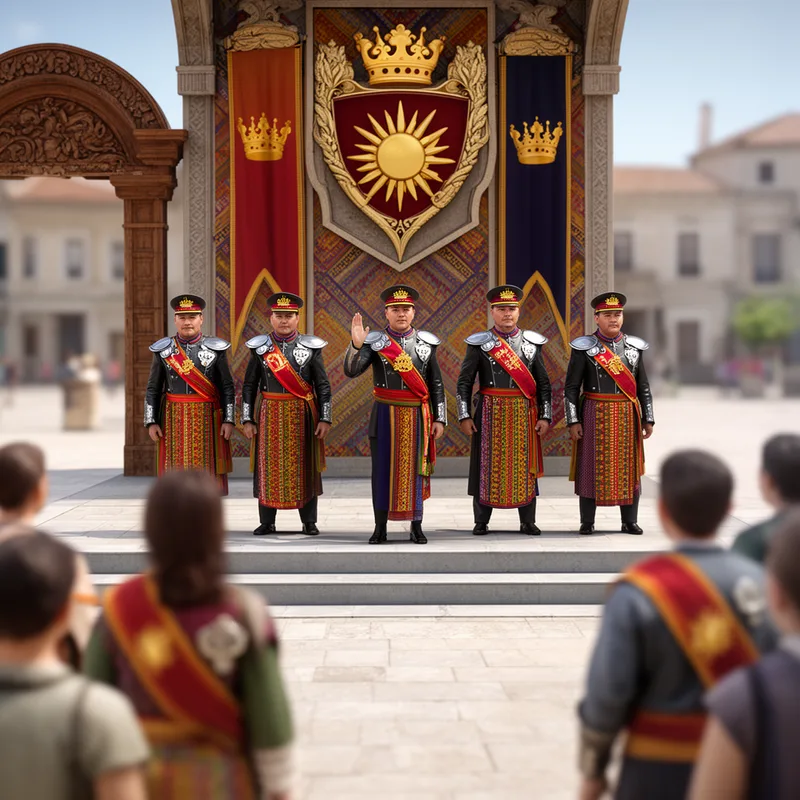
- The imperialization of the local culture was evident in the new architecture and festivals introduced by the ruling elite.
Examples
-
Rather, it was the result of a process of the imperialization of commerce and science.
Academic text (2002) -
This study has examined the close relationship between the water mill and imperial patronage to demonstrate the importance of commerce and science in Northern Song society and the economic and political benefits offered by the imperialization of the water mill.
Academic text (2002) -
Similar to the Japanese imperialization of Taiwan, the sinicization campaign of the KMT was aimed at both national integration and securing Taiwanese support for its conflict with the Communists on the mainland.
Academic text (2014) -
His research focuses on the imperialization of art forms that reflect the customs and symbols of powerful empires.
-
The film critiques the imperialization of education systems, showing how traditional practices were replaced by foreign influences.
Antonyms


How Imperial

Surface Forms
Morphology
Etymology
Imperialization comes from imperial, which is related to emperor and empire and means 'rule' or 'power', plus the ending -ization meaning 'the process of making'. A helpful way to remember this sense is to think of local customs or ceremonies slowly taking on the 'look' and authority of an empire. So, imperialization here means the process of making something act or feel like an empire even without taking land.