

imperialistic
 4
7.8
4
7.8

- adjective
- /ɪmˌpɪrɪəˈlɪstɪk/
- The nation's imperialistic approach to foreign relations has caused tension with its neighbors.
- imperialistic relationship
- imperialistic origins
Loading YouTube…
Watch on YouTubeYou know, that's, that's a bit of a historical fable, but he was definitely imperialistic.
- You know, that's, that's a bit of a historical fable, but he was definitely imperialistic.
Examples
-
In the past, colonial regimes named, organized, constructed, and controlled space and place through the imperialistic practice of mapmaking.
Academic text (2004) -
Among his targets have been modern technology and the imperialistic nature of American mass media.
Academic text (1995) -
Is it right for a people who have been an object of imperialism and fought against it to become imperialistic themselves?
Academic text (2007) -
The peaceful leader of this country has asked me to appeal to you, Mr. President to stop your vicious, imperialistic tactics around the globe.
-
For the Inka, building was part of an imperialistic strategy that expressed itself through place-making practices.
Academic text (2007) -
Again, a critique not only of Sparta, but also of Athens and its imperialistic ambitions.
-
U.S. humanitarian efforts in Somalia are portrayed as part of an imperialistic, anti-Muslim campaign defeated by heroic local resistance.
Academic text (2002) -
Some historians argue that the imperialistic policies of powerful nations often led to conflicts around the world.
-
Many scholars study the imperialistic actions of empires to understand their impact on global history.
Synonyms
 15
8.2
15
8.2
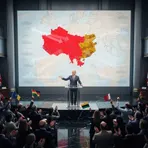
Relating to a policy that makes a country control other countries, often by force
 5
7.5
5
7.5
Supporting a country that wants more land or power
 3
9.1
3
9.1
Showing extreme pride in a country and wanting to fight other countries
 1
8.9
1
8.9
Very patriotic and often hostile to other countries
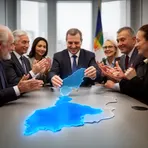
To support adding land to a country or state

Wanting one group or country to control others

A person, government, or policy that supports indirect foreign control over a country

Relating to actions by rich countries or companies that control poorer countries indirectly to take their resources

Very strong pride in one's country and dislike of people from other countries
How Imperialistic

Surface Forms
Morphology
Etymology
Imperialistic comes from imperial, which comes from the Latin imperium meaning 'command' or 'power', and it is the same root as emperor and empire. So, to be imperialistic is to want to spread a country's power and rule over other places.