

impassable
 13
5.3
13
5.3

- adjective
- /ɪmˈpæsəbl/
- After the snowstorm, many streets became impassable, trapping residents in their homes.
- the roads are impassable
- become impassable
- many roads are impassable
Loading YouTube…
Watch on YouTubeYou know, you have to go through this, this impassable pass.
- You know, you have to go through this, this impassable pass.
- The state troopers are saying no, the roads are impassable, both the Interstate and the back roads.
- My ankles and toes fell off onto the peaks of impassable mountains.
- On the other side of an impassable patch of woods cut through by a Creek.
Examples
-
Across the country, hospitals collapsed, schools and offices crumbled, roads were impassable, and telephone and electrical lines fell.
Academic text (2011) -
The melting snows had made the streams high; the roads nearly impassable.
Fiction book (1998) -
Roads are impassable across New York State... ...as far south as Pennsylvania....
-
England was no longer isolated from the rest of Europe... by an impassable body of water.
-
Several access roads were impassable, and others could be used only by four-wheel-drive vehicles.
Academic text (2002) -
During the rainy season, flooding is a major problem, and many streets become impassable.
Academic text (1993) -
The state troopers are saying no, the roads are impassable, both the Interstate and the back roads.
-
Moreover, this route was often impassable because of torrential rains.
Academic text (2016) -
Even during regular rainstorms, the area floods and roads are impassable from Lawrenceville to South Brunswick.
Blog text (17) -
Small farmers are scattered widely throughout a district in which roads are seasonally impassable and transportation is notoriously unreliable.
Academic text (1990)
Synonyms
 28
7.9
28
7.9
Not able to be reached, used, or understood
 19
7.3
19
7.3
Not possible to enter or go through
 1
5.6
1
5.6
Too dangerous or blocked to go across


 1
9.1
1
9.1
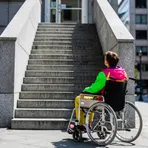
Not possible to cross by people or vehicles
 1
6.9
1
6.9
A road or path that people cannot cross
 1
8.7
1
8.7
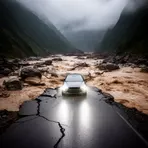
Too difficult to travel through, for example a river, sea or road
 1
7.7
1
7.7
So strong that no one can break into or get past it

Impossible to travel through because obstacles block the way

Closed so nothing can pass through, for example a nose or road

Blocked so movement, view, or access is difficult

Not possible to walk across because of obstacles or danger

A road that cars cannot use safely because it is blocked or damaged

Not able to be crossed by walking or driving through shallow water
Antonyms

How Impassable

Surface Forms
Morphology
Etymology
Impassable breaks into im- ('not') and pass ('to go through'), the same root you see in passage and passport. So it literally means 'not able to be passed', which is why we use it for a road or path you cannot travel across.