
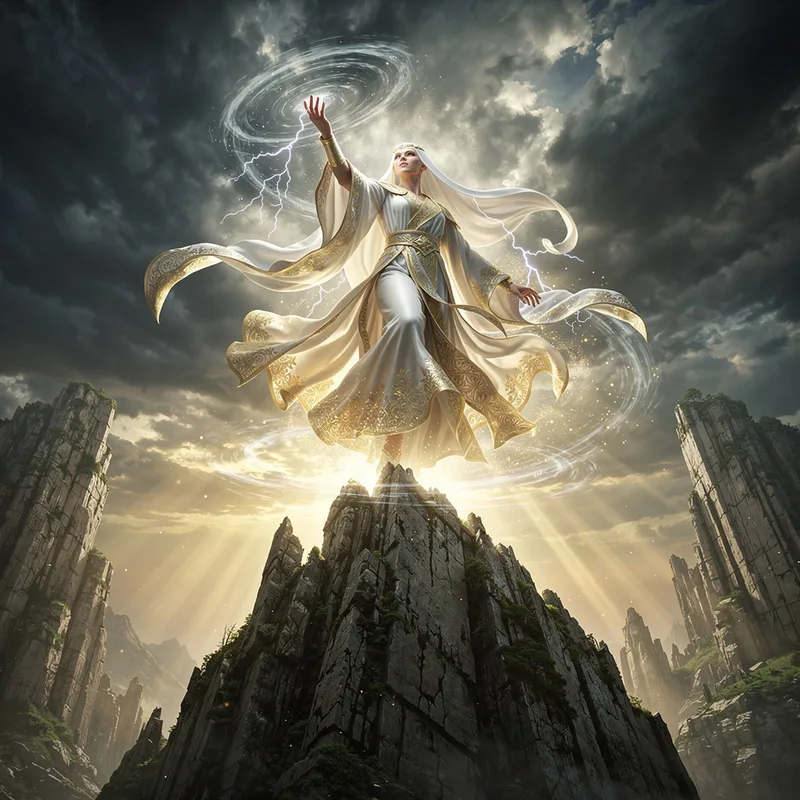
immortal
 16
8.2
16
8.2

- noun
- /ɪˈmɔrtəl/
- Literature
- The tale of the immortal hero speaks of a warrior who never ages and fights for eternal justice.
- immortals and mortals
- other immortals
Loading YouTube…
Watch on YouTubeAnd so she he can see the face of their potential future son that is now currently a immortal, deeply evil being.
- And so she he can see the face of their potential future son that is now currently a immortal, deeply evil being.
- Human beings can know that they have freedom and agency because they can at least piss off those mighty immortals by not doing what they want people to do.
Examples
-
"Could you carry me through?" The immortal shook his head.
Fiction book (1994) -
Until he died, he was immortal, and the death of an immortal is an event that changes the world.
Academic text (1993) -
You play one of a group of immortal soldiers.
-
only one Immortal can challenge another.
-
"Maybe even immortals, too, if they wanted just to live here and raise families."
Fiction book (1994) -
Is this how an immortal responds to our human condition?
Fiction book (2001) -
I lead a group of immortals.
-
My son... this day you join the immortals.
-
How well the Immortals know how to bind us to their plans!
Fiction book (2002) -
They are immortals, among the most ancient of races.
Synonyms
 960
3.7
960
3.7
A being with power beyond nature worshipped as controlling part of the world
 62
7.4
62
7.4
A god or goddess that people worship and think has power over part of the world
 14
7.9
14
7.9
A god worshipped as controlling a part of nature
 5
6.3
5
6.3
A person or creature who lives forever

 1
8.0
1
8.0
A god who has unlimited power over everything
Antonyms

How Powerful
3
7.5
 960
3.7
960
3.7
- Literature
16
8.2
- Literature
10
8.1
- Literature
527
7.0
Surface Forms
Morphology
Etymology
The word immortal comes from in- 'not' and mort 'death', and it was used for gods and other beings that people believed were 'not able to die', which is why such supernatural beings are called immortals.