
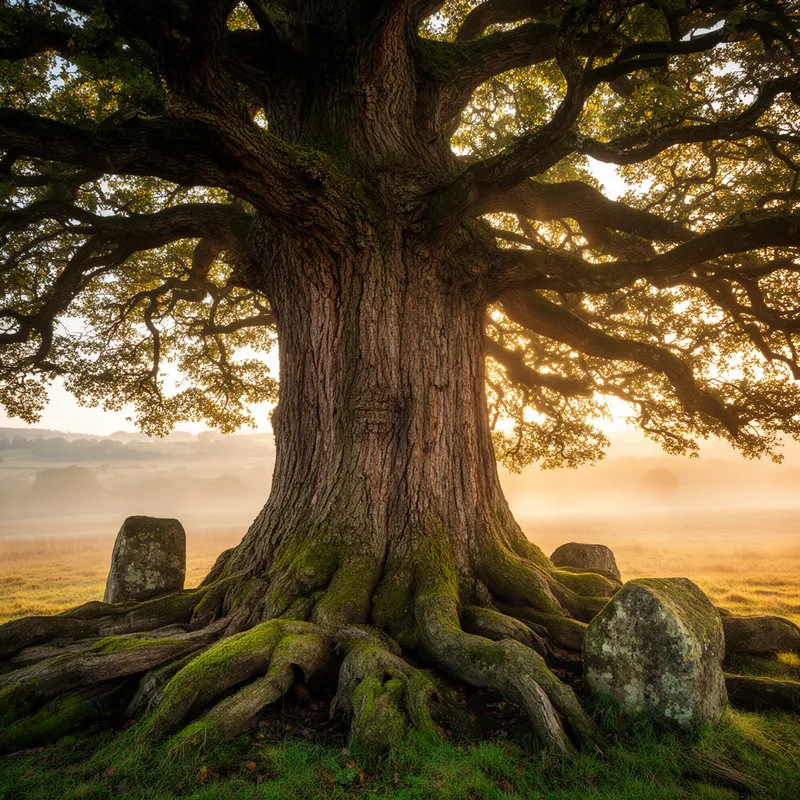
immemorial
 7
9.3
7
9.3

- adjective
- /ˌɪməˈmɔːriəl/
- Formal
- Our people, we say, have been there since time immemorial.
- since immemorial times
- immemorial law
Loading YouTube…
Watch on YouTubePeople have been doing narcissistic stuff to partners, children, family members since time immemorial.
- People have been doing narcissistic stuff to partners, children, family members since time immemorial.
- I know that I've been here for time in memorial immemorial and I've never died.
- And that's why it's been been been, you know, since time immemorial.
- So the books and, you know, philosophers and writers and poets since time immemorial have all spoken about, right?
Examples
-
Since time immemorial, there have been polities that have stood outside the international community.
Academic text (2001) -
Humankind, they believed, had toiled miserably for their sustenance since time immemorial.
Academic text (2004) -
"It's been done since time immemorial?" You said that.
Fiction book (1994) -
This is an inheritance from time immemorial, the fixed order.
-
And every culture from time immemorial has had a philosophical tradition.
-
From time immemorial, laws and courts have been called upon to protect weaker parties against overreaching.
Academic text (2018) -
From time immemorial, vampires and witches have been mortal enemies, generation after generation, one millennium to the next.
-
Southeast Alaska had been owned from time immemorial by numerous Tlingit clans.
Academic text (2009) -
From time immemorial, his people had worshiped a balance between nature's male deities and the goddess or sacred feminine.
-
Our people, we say, have been there since immemorial.
Synonyms


Antonyms


Compounds

How Old

Surface Forms
Morphology
immemorial = memorial (semi-transparent) = im + memorial
Formed by adding the negative prefix 'im-' to 'memorial'; the idea 'not remembered' leads to 'extremely old', but 'memorial' can mislead learners toward 'monument' meanings.
Etymology
Immemorial comes from the parts im- meaning 'not' and memorial from the same root as memory, which means 'remembering'. So immemorial really means 'not remembered', and we use it for things so old nobody remembers when they began.