
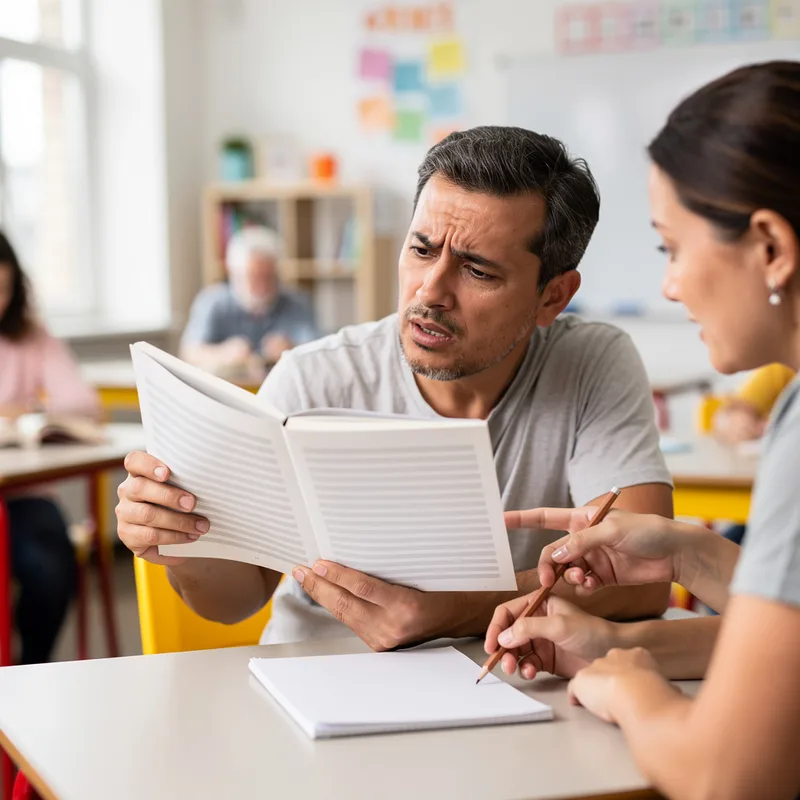
illiterate
 4
4.4
4
4.4

- noun
- /ɪˈlɪtərɪt/
- They taught illiterate people to read and write so that they could read the Bible.
Examples
-
They can put you in touch with the people who are teaching illiterates how to read.
-
One night a week, she and Lee volunteered to teach reading to inner-city illiterates and had gotten to know each other during the training.
Fiction book (2000) -
My mother was illiterate and my father died when I was when I was young.
-
And contrary to the fears of bill cutting, the Irish did not stay poor and illiterate at all.
-
The illiterates often knew their Bible better than those who could read it.
Academic text (2000) -
Freire's work was with adult illiterates in remote, isolated Brazilian tribes.
Academic text (2001) -
The Constitution of 1988 guaranteed practically all Brazilian adults (including illiterates) the right to vote.
Academic text (1998) -
We can identify the illiterates early on; the ACLU is suing over illiteracy in Highland Park, MI.
Blog text (20) -
Community centers often offer programs for illiterates to help them improve their reading and writing skills.
-
Many organizations focus on supporting illiterates in developing essential literacy skills for better employment opportunities.
Synonyms
 1
4.0
1
4.0
A person who cannot read or write
 1
8.9
1
8.9
People who cannot read or write
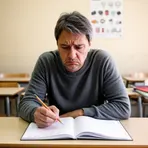
A person who cannot read or write

A person who cannot read or write
A person who cannot read or write
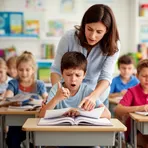
A person who cannot read or reads very little
Antonyms

Compounds


 1
7.6
1
7.6
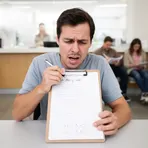
A person who can read and write only a little and cannot fill in basic forms
How Literate
1
1.5
 4
4.4
4
4.4
Surface Forms
Morphology
illiterate = illiterate (transparent) = il + literate
The noun is a conversion from the adjective 'illiterate', and the adjective itself is transparently built from 'literate' with the negative prefix 'il-'.
Etymology
Illiterate comes from parts like in- meaning 'not' and liter- meaning 'letter', the same root you see in literature. So an illiterate is someone who 'does not know letters' and cannot read or write.