

illiteracy
 15
3.9
15
3.9

- noun
- /ɪˈlɪtərəsi/
- The government is taking steps to reduce the high rate of illiteracy in rural areas.
- illiteracy rate
- high illiteracy
- problem of illiteracy
Examples
-
Illiteracy is a growing epidemic in this country.
-
In Peru, there are relatively high levels of illiteracy, particularly among lower-class and peasant populations.
Academic text (1991) -
Just I feel like I need to do something about the illiteracy rate.
-
Which means that book reports contribute to illiteracy, which is a real social problem.
-
Alongside this, economic growth failed to reduce the high rate of unemployment while the illiteracy rate remained over 40 percent.
Academic text (2012) -
Life expectancy is just 50 years, and the illiteracy level is near 50 percent.
Academic text (1993) -
Women in the developing world face a combination of poverty, patriarchal culture and illiteracy that makes being female a health risk.
-
The United States ranks close to the bottom in illiteracy among industrialized countries.
Academic text (1999) -
Experience indicates that illiteracy remains higher among women and rural residents than among men and urbanites.
Academic text (1991) -
Hence, the integrative approach is needed to combat illiteracy and poverty to help prevent disease.
Academic text (1993)
Synonyms
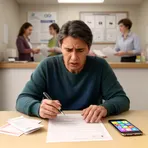
A lack of reading and writing skills needed for daily life

The state of being unable to read
Antonyms

How Literate

Surface Forms
Morphology
illiteracy = illiterate (transparent) = il + literate + acy
Formation from 'illiterate' (not + literate) to the noun with '-acy' is regular and the negation and noun-forming process are clear to learners.
Etymology
The word illiteracy comes from the prefix il- 'not' and the old root littera 'letter', the same root behind the word letter. So illiteracy means 'not knowing letters', or being unable to read and write.