

idleness
 8
4.5
8
4.5

- noun
- /ˈaɪdlnəs/
- The company encourages productivity rather than idleness among employees to achieve better results.
- enforced idleness
- love of idleness
Loading YouTube…
Watch on YouTubeOn the other, poverty, idleness, disgrace.
- On the other, poverty, idleness, disgrace.
- Isolation, mental anguish, idleness, bullying, self harm, violence, suicide.
- So I decided to write this book after I taught a class on promoting good idleness.
- It's a lot of idleness, it's a lot of self doubt, you know, And so that was probably the lowest moment.
Examples
-
During the summer break, the children spent their days in idleness, enjoying the freedom from schoolwork.
-
When she first arrived, any feeling of idleness here had worried her.
Fiction book (1997) -
There are too many people in town... too much idleness.
-
But there is no reward for idleness.
-
The most effective rest cure is not idleness; it is a complete change of occupation.
Fiction book (1993) -
For we hear that some among you walk in idleness, not busy at work, but busybodies.
Blog text (26) -
This means endless hours of idleness, with little useful work and limited prospects for rehabilitation.
-
Poverty waits at the gates of idleness.
-
The reconstruction was something to prevent idleness, that breeding ground of resentment.
Fiction book (1999) -
Trouble springs from idleness, and grievous toil from needless ease.
Fiction book (2001)
Synonyms
 30
1.4
30
1.4
A tendency to avoid work and use little energy
 13
4.6
13
4.6
Not wanting to work or make an effort
 12
3.5
12
3.5
A period of time with no movement or action
 12
6.3
12
6.3
A feeling of tiredness and low energy
 4
4.4
4
4.4
A state of being slow and having little energy
 3
8.1
3
8.1
A habit of not wanting to work or try hard
 2
5.0
2
5.0
Spending time doing nothing instead of working


 1
8.1
1
8.1
A habit of not wanting to work or make any effort

A habit of not wanting to work

A period of not doing anything or moving

A lack of desire to work or try hard

Spending most of the day sitting and moving very little
Antonyms


Compounds
 1
9.9
1
9.9
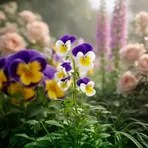
A common European wildflower with purple, yellow and white flowers that garden pansies come from
How Active

Surface Forms
Morphology
Etymology
Idleness comes from the old word idle, which meant 'empty' or 'not doing anything', and the ending -ness turns it into the 'state of' being idle. So, think of an empty hour to remember that idleness is the state of not working or being inactive.