
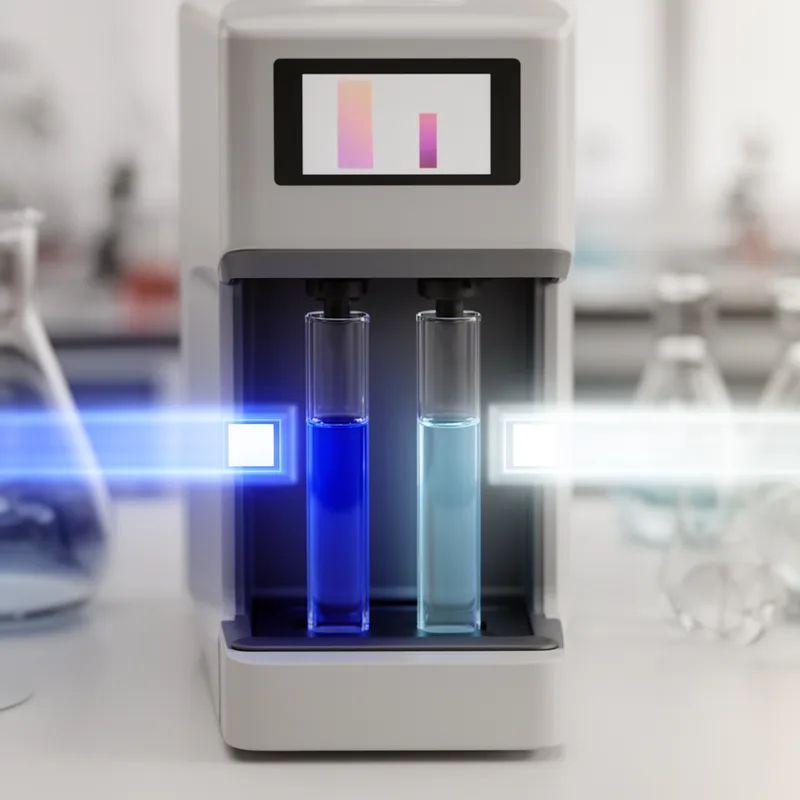
hypochromic
- adjective
- /ˌhaɪpoʊˈkroʊmɪk/
- Specialized
- A hypochromic shift in the absorption spectrum indicated a structural change in the molecule.
Examples
-
After the chemical reaction, the solution became hypochromic compared to the original sample.
-
The solution appeared hypochromic under ultraviolet light.
-
The scientist observed a hypochromic effect when the sample was exposed to the new reagent.
-
Is this compound hypochromic compared to the standard sample?
-
The scientist observed a hypochromic effect when the sample was exposed to the new reagent.
-
A hypochromic shift in the absorption spectrum indicated a structural change in the molecule.
-
After the chemical reaction, the solution became hypochromic compared to the original sample.
Compounds

- Specialized
A blood condition with red blood cells that are paler because they have less hemoglobin
Surface Forms
Morphology
hypochromic = chromic (semi-transparent) = hypo + chrom + ic
The word is formed regularly with hypo- meaning 'under/less' plus a color-related base, but the base is technical rather than familiar to most learners.
Etymology
Hypochromic comes from the parts hypo- 'under' or 'less' and chroma 'colour', as in monochrome. In chemistry and light work, a hypochromic change means the sample shows less colour or absorbs less light, which is why scientists use that word.

