
hyphenated
3.4
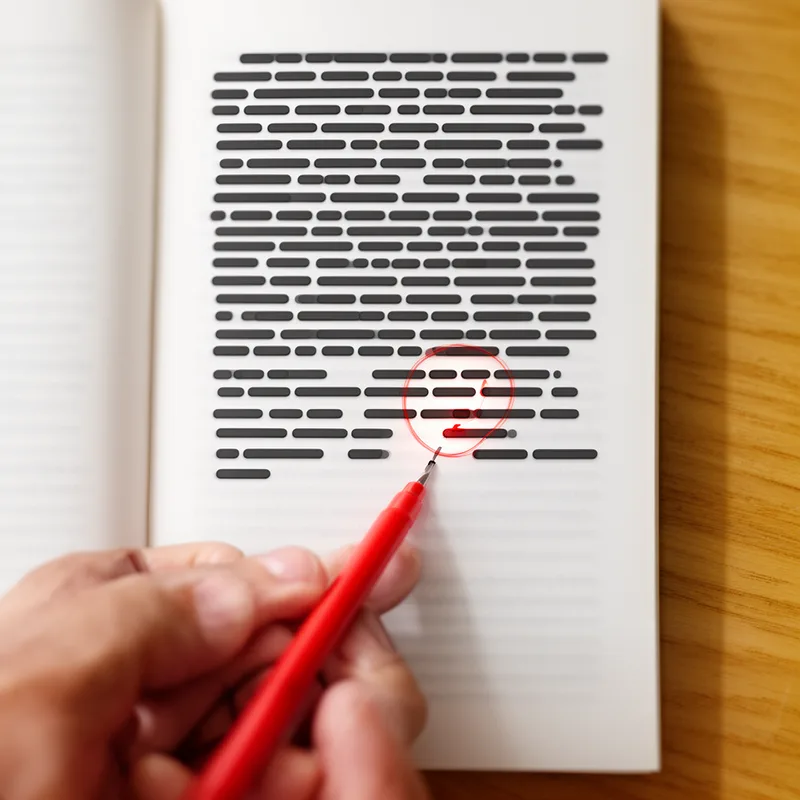
Split at the end of a line with a hyphen to show the word continues on the next line
- adjective
- /ˈhaɪfəˌneɪtɪd/
:
dividido con guion
- In printed books, long words are often hyphenated to avoid large gaps in the text.
Examples
-
She noticed that the word was hyphenated between two lines in the article.
-
The word was hyphenated at the end of the line.
-
The editor marked the word as hyphenated to fit it neatly at the end of the line.
-
In printed books, long words are often hyphenated to avoid large gaps in the text.
-
Is this word hyphenated correctly?
-
The editor marked the word as hyphenated to fit it neatly at the end of the line.
-
She noticed that the word was hyphenated between two lines in the article.
Surface Forms
hyphenated positive
Morphology
Etymology
Hyphenated comes from the word hyphen, from the Greek hyphén, which means 'together' or 'joined'. Think of a hyphen as a tiny bridge that shows a word continues on the next line, so a hyphenated word is split at the line end but still 'joined' to the rest.

