
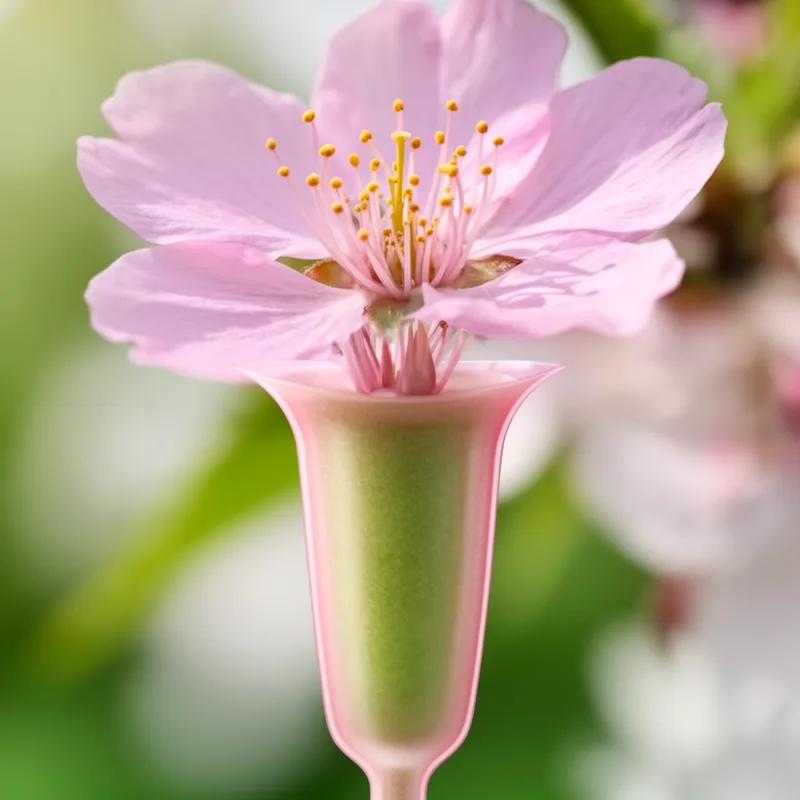
hypanthium
- noun
- /haɪˈpænθiəm/
- Specialized
- The cherry blossom's hypanthium is particularly prominent during early flowering.
Examples
-
Botanists studied the structure of the hypanthium to classify various members of the rose family.
-
The hypanthium of the apple flower provides structure for the developing fruit.
-
A swollen hypanthium can sometimes help attract pollinators to a flower.
-
The hypanthium of the rose flower is quite distinct.
-
Some species of fruit trees have a hypanthium that is edible.
-
In many roses, the hypanthium plays a key role in the flower's overall shape and form.
-
During the spring, the hypanthium of the cherry tree expands, contributing to its beautiful blossoms.
Synonyms

A tube-shaped part of a flower that holds the leaf-like parts under the petals, often seen in roses
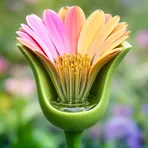
A cuplike part at the base of a flower that holds small parts like petals and stamens
Surface Forms
Morphology
hypanthium = hypo + anth + ium
This is a learned botanical term built from Greek-based elements, but its meaning is not recoverable for an average English learner from the visible parts alone.
Etymology
Hypanthium comes from the Greek parts hypo- 'under' and anthos 'flower'. It names the cup-like part that sits 'under' the petals, stamens, and sepals, so you can remember it as the little 'under-flower' cup that holds the flower parts.

