
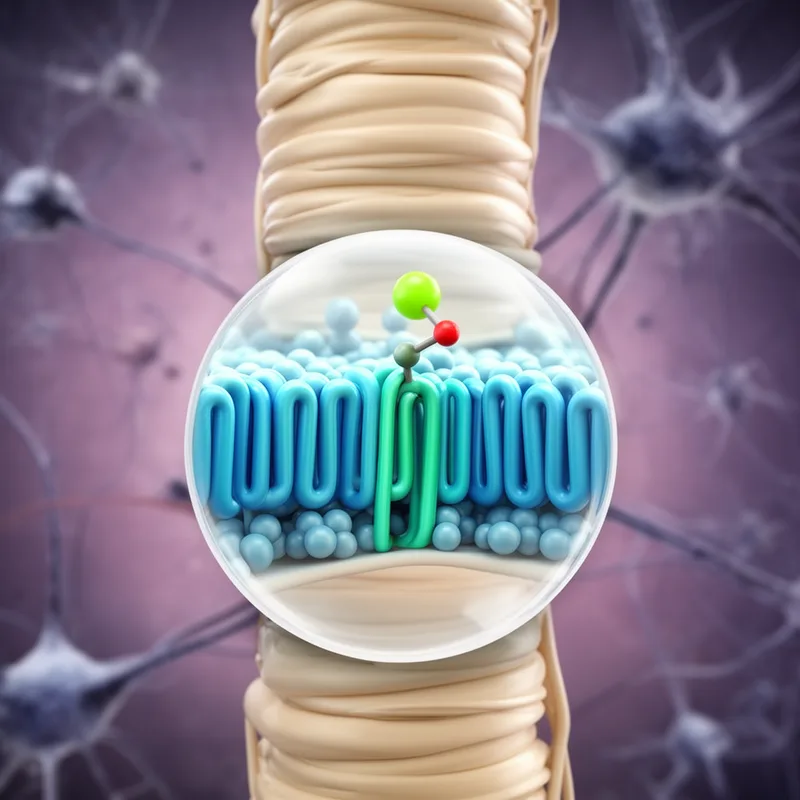
hydroxynervonic acid
- noun
- Specialized
- The presence of hydroxynervonic acid in cerebrosides suggests its importance in nerve tissue function.
Examples
-
Researchers identified hydroxynervonic acid as a key molecule in brain lipid metabolism.
-
Levels of hydroxynervonic acid were measured to study its role in neurological disorders.
-
Researchers have isolated hydroxynervonic acid from certain plant sources.
-
The study focused on the role of hydroxynervonic acid in brain development.
-
The presence of hydroxynervonic acid in cerebrosides suggests its importance in nerve tissue function.
-
Levels of hydroxynervonic acid were measured to study its role in neurological disorders.
-
The study focused on the role of hydroxynervonic acid in brain development.
Surface Forms
Morphology
hydroxynervonic + acid
Although 'acid' is a common word, 'hydroxynervonic' is a technical, morphologically complex chemical term (hydroxy- + nervonic) not accessible to an average B1 learner. Understanding the full meaning requires domain-specific knowledge of chemical morphemes and fatty-acid nomenclature, so the compound's meaning cannot be derived by typical learners from its parts.
Etymology
Hydroxynervonic acid is built from three parts: hydroxy (a small 'water' part), nervonic (from 'nerve' because it is found in nerve tissue), and acid (a 'chemical' name). So the name tells you it is a chemical found in nerves with a small water-like group.

