
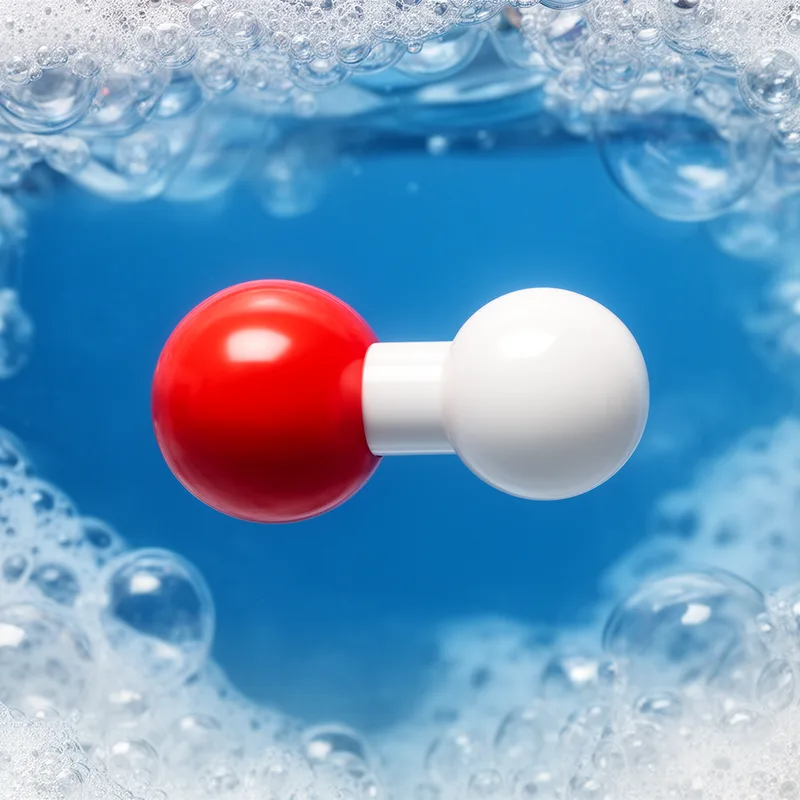
hydroxide
 8
5.8
8
5.8

- noun
- /haɪˈdrɒksaɪd/
- Specialized
- Antacids such as aluminium hydroxide and magnesium hydroxide have a direct neutralising effect on acid and reduce gastric acidity.
- sodium hydroxide
- potassium hydroxide
- aluminum hydroxide
Loading YouTube…
Watch on YouTubeIt's reacted with the water to form lithium hydroxide.
- It's reacted with the water to form lithium hydroxide.
- Myself portrait bleeds and a bronze boy sweat transubstantiates into potassium hydroxide.
Examples
-
They can split into hydrogen ions and hydroxide ions, and pure water has equal concentrations amounts of these.
-
So just by pouring in the potassium hydroxide to the water, it's now boiling temperature.
-
This will result in a decrease of hydroxide in solution, right?
-
What did you put for where hydroxide ion is highest at?
-
What I wrote is the chemical formula for sodium hydroxide.
-
One of the chemicals used in the water treatment process is liquid sodium hydroxide.
Academic text (1998) -
The sodium hydroxide increased the pH of the treated water to 12.0.
Academic text (1998) -
This is a Dreschel bottle which contains sodium hydroxide solution.
-
Potassium reacts with water, forming potassium hydroxide and hydrogen gas.
-
To neutralize the acid, they added sodium hydroxide to the solution.
Synonyms

A small negatively charged particle made of one oxygen and one hydrogen atom that makes solutions alkaline
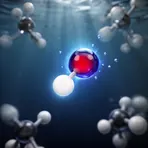
A particle with a negative charge made of one oxygen and one hydrogen atom
Compounds
- Specialized
1
5.4
A strong white chemical people use to make soap and paper that can burn your skin
- Specialized

 1
6.1
1
6.1
A strong white chemical that people use in industry and farming to clean and make soil less acidic

- Specialized
A white powder made by adding water to lime and used in mortar and to reduce acid in soil

- Specialized
A liquid made by mixing ammonia with water used for cleaning and lab work

- Specialized
White poisonous chemical that dissolves in water and is used in labs and industry

- Specialized
A small negatively charged particle made of one oxygen and one hydrogen atom that makes solutions alkaline
Surface Forms
Morphology
Etymology
Hydroxide comes from two parts: hydro- meaning 'water' (as in hydrogen) and -oxide meaning 'oxygen'. So a hydroxide is named for the 'OH' group, an oxygen and hydrogen together, which explains why hydroxide compounds contain that group and often act like a base.