
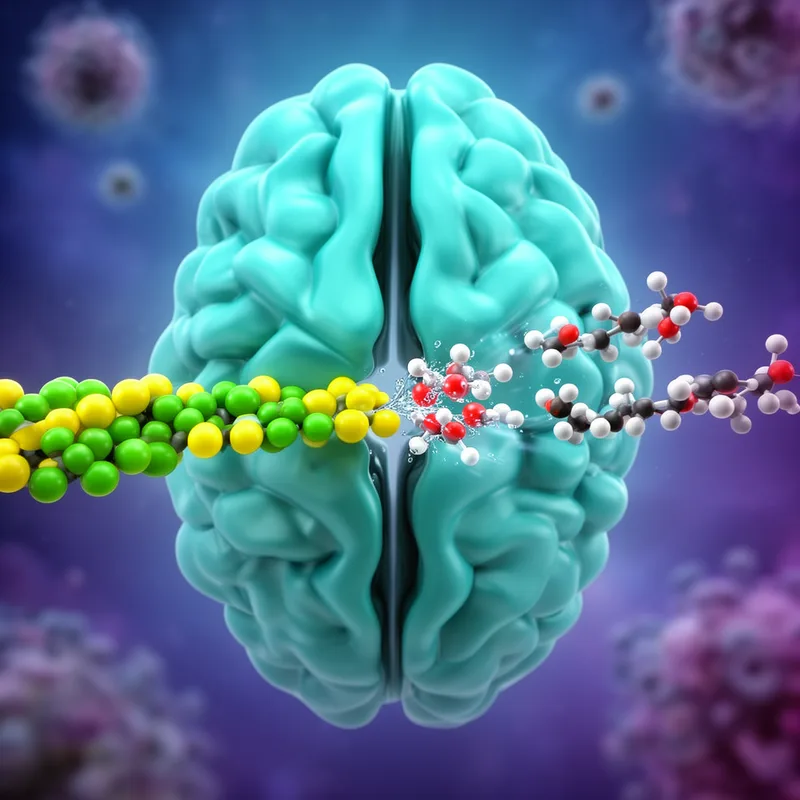
hydrolase
 2
7.5

- noun
- /ˈhaɪdrəˌleɪs/
- Specialized
- In laboratory tests, the hydrolase was effective in catalyzing the breakdown of complex lipids.
Examples
-
Chloroquine, for example, is a weak base and is concentrated in lysosomes, where it raises the pH and thus inhibits acid-dependent hydrolases.
Academic text (1992) -
In this paper, Sukharnikov et al. have used the Glycosyl Hydrolase.
Blog text (25) -
Now, glycoside hydrolases, we big, strong humans, we don't have them.
-
I'm going to explain what transgenic microbial hydrolases are.
Academic text (2012) -
The hydrolase enzyme helps break down starches into sugars by adding water during digestion.
-
Researchers are studying a new hydrolase that can improve the efficiency of biofuel production.
Synonyms
 1
7.0
A substance that makes a chemical reaction faster without being used up

 1
8.6
A machine that uses water to break large molecules into smaller ones
Surface Forms
Morphology
hydrolase = hydrolysis (semi-transparent) = hydrolysis + ase
The relation to 'hydrolysis' and the enzyme-forming suffix '-ase' is clear to learners with basic chemistry/biology knowledge, but the exact replacement of '-lysis' by '-ase' is technical and not obvious to general learners.
Etymology
Hydrolase comes from hydro- meaning 'water' and the enzyme ending -ase, as in lactase. It is related to hydrolysis, which means 'breaking with water', so a hydrolase is an enzyme that helps break a molecule by adding water.